Respecting Local Culture as a Visitor
Although non-Muslims are not required to fast, it is respectful to avoid eating, drinking, or smoking in public during daylight hours. Dressing modestly and being mindful of local customs is always appreciated and helps create a positive experience.
Moroccans are known for their hospitality, and visitors who show respect are often invited to share Iftar meals, which can become a memorable highlight of the trip.
Experiencing Iftar and Ramadan Nights
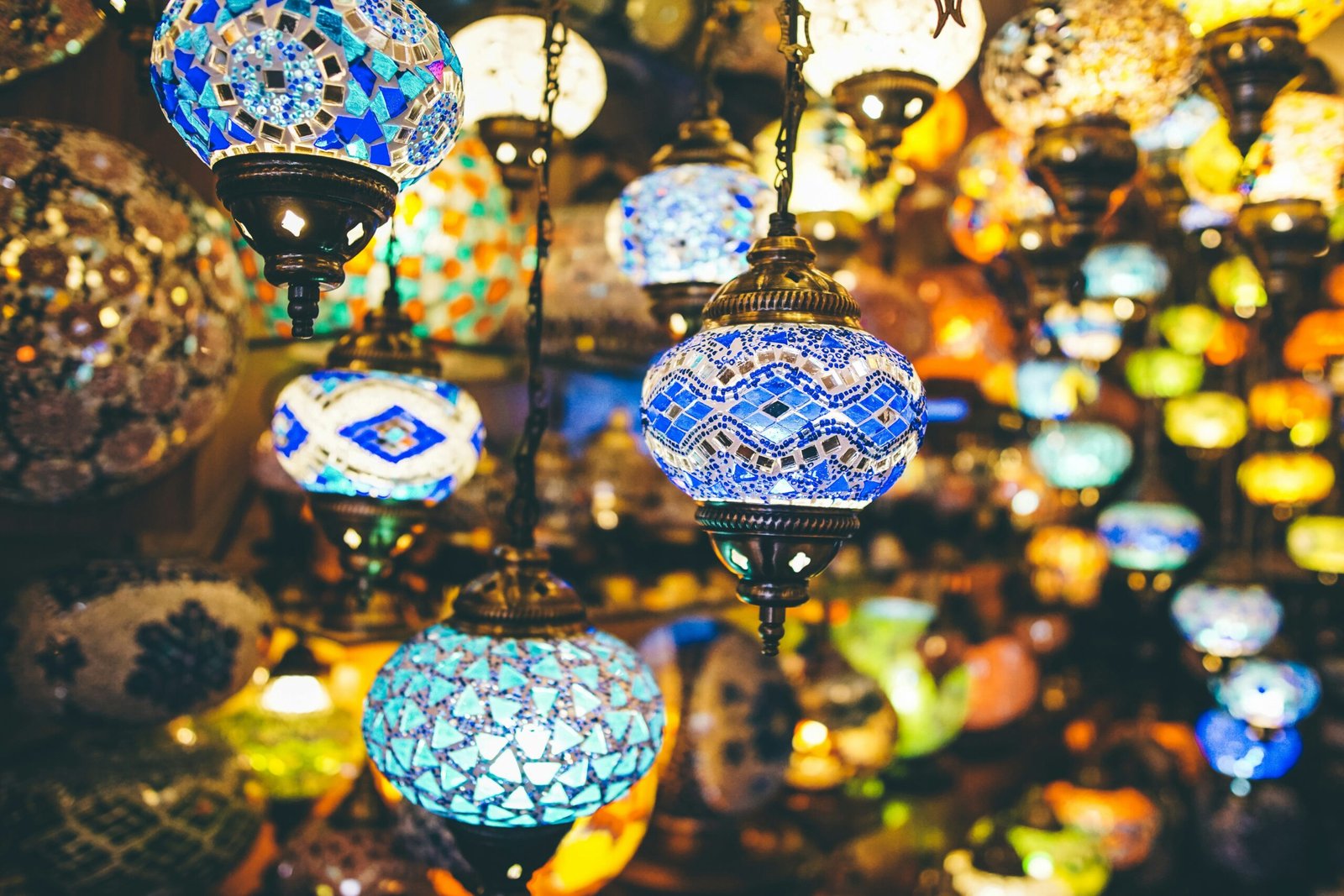
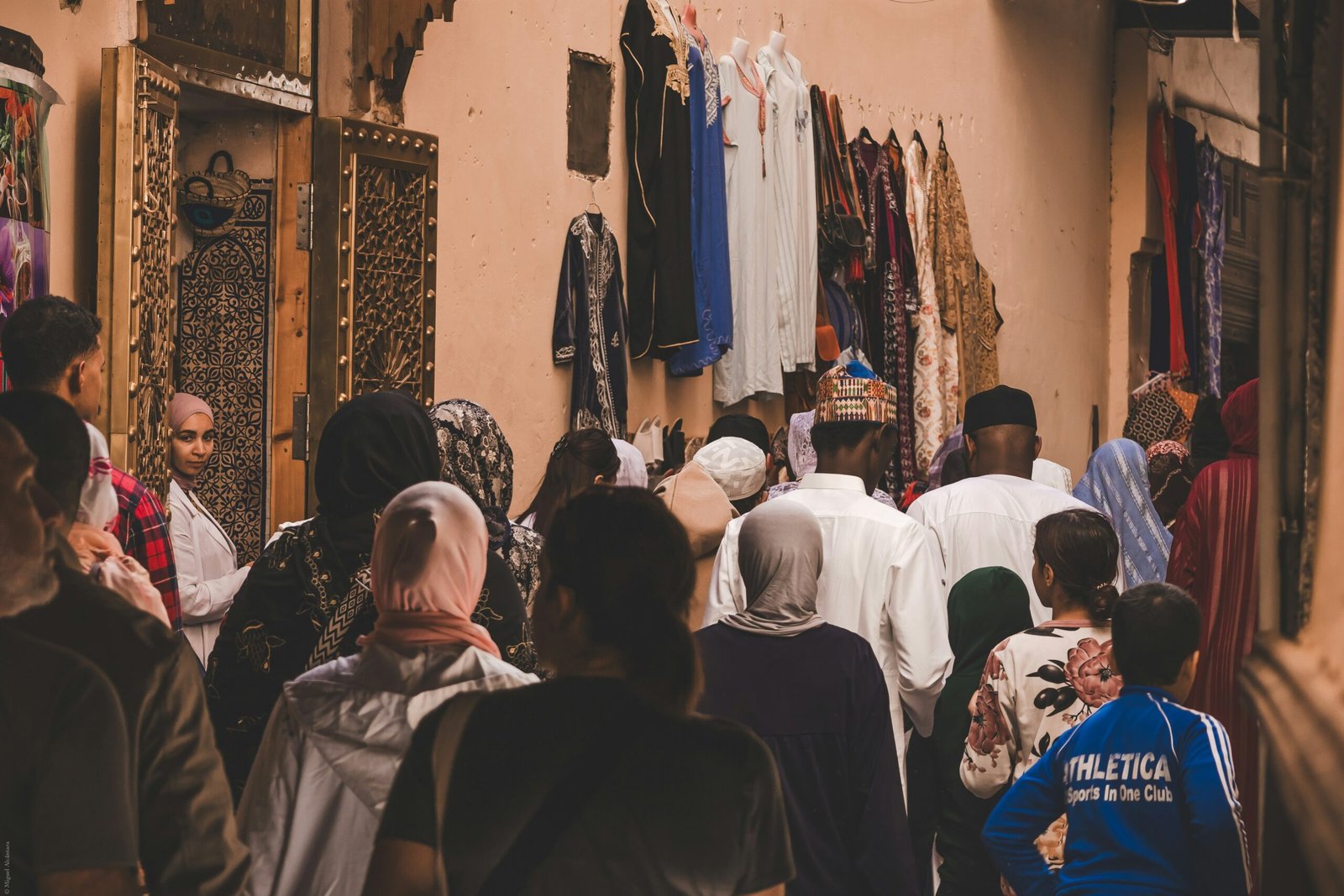
Evenings during Ramadan are magical in Morocco. Streets fill with people, markets come alive, and cafés reopen after sunset. Traditional foods such as harira soup, chebakia, dates, and fresh juices are widely available.
In cities like Marrakech and Fes, the atmosphere after Iftar is energetic, with families strolling, shops staying open late, and cultural life at its best.
Traveling to the Sahara During Ramadan
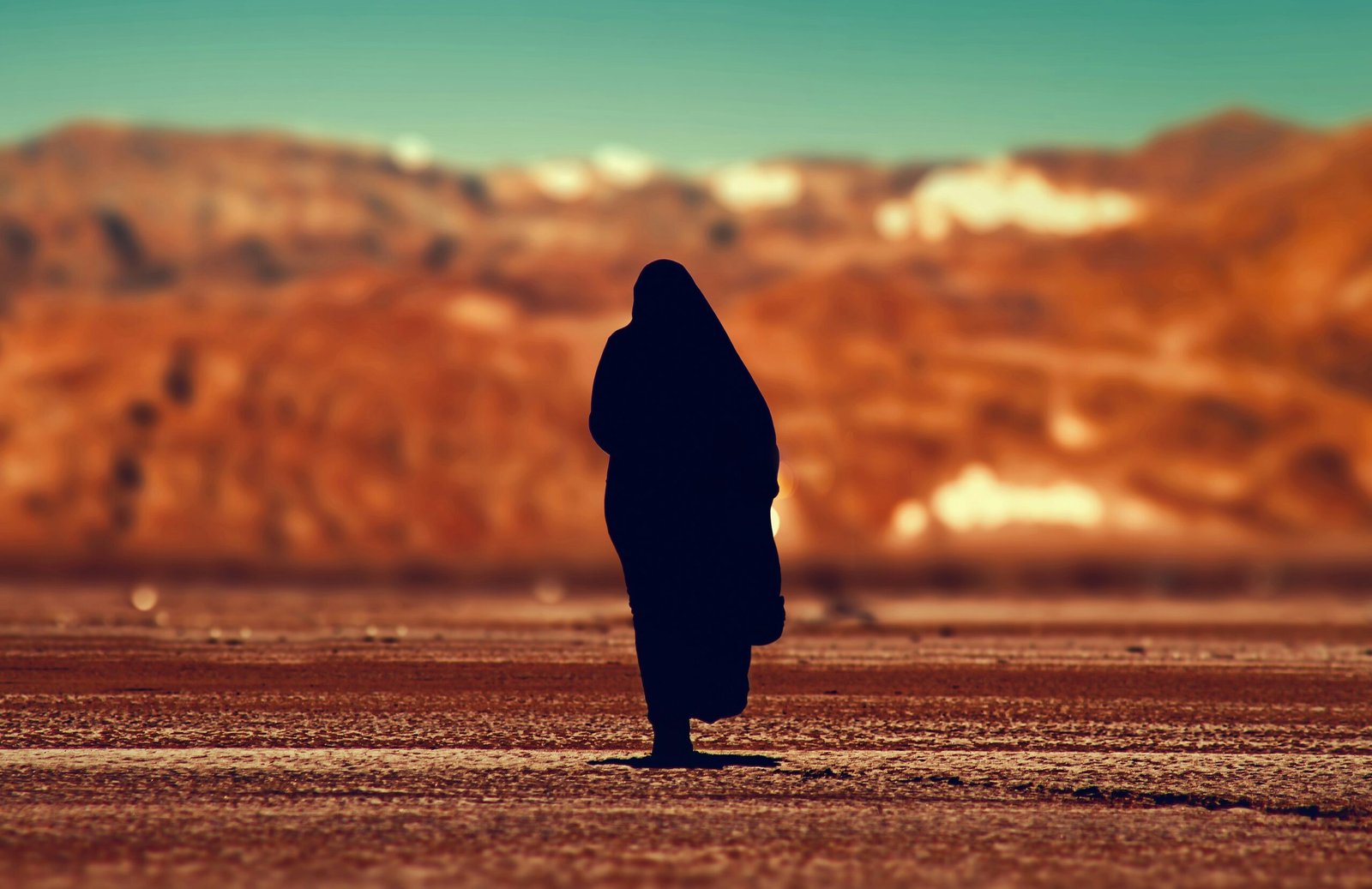
Desert tours during Ramadan are still very popular. In fact, the cooler temperatures and peaceful environment make it an ideal time to visit Merzouga or Erg Chebbi. Tour schedules are often adjusted to allow guides and drivers to break their fast comfortably, ensuring a smooth and respectful experience for everyone.
Tips for Traveling to Morocco During Ramadan
-
Plan meals ahead during the daytime
-
Be flexible with schedules and opening hours
-
Enjoy evening activities and night markets
-
Book private tours for more personalized timing
-
Embrace the cultural experience rather than rushing sightseeing
Final Thoughts
Traveling to Morocco during Ramadan offers a special opportunity to see the country through a more authentic and cultural lens. While daily routines change, the warmth of Moroccan hospitality, peaceful mornings, and lively nights make this period a rewarding time to visit. With a little planning and cultural awareness, your trip to Morocco during Ramadan can be both smooth and unforgettable.