What does luxury travel in Morocco actually mean? It’s not just a nicer hotel. It’s a trip that removes the friction: a private driver who’s on time, guides who can steer you away from the loudest lanes, top riads and resorts that sleep well, and pacing that doesn’t leave you wrung out by day three.
Most luxury Morocco tours run 7 to 12 days, which is usually enough to blend cities, mountains, and desert without turning your vacation into a long car ride. Pricing is often in the mid to high four figures per person, depending on season, room category, and how private you want the trip to be.
This guide keeps it simple. You’ll see what upgrades change the experience, a sample 9-day route that feels special (not rushed), and how to book with clear inclusions so you don’t pay luxury prices for standard planning.
Luxury in Morocco is about comfort where it counts. Morocco can be hot, busy, and drive-heavy, so the best tours spend money on transport, sleep quality, and the right people on the ground. If a package is vague about those three, the “luxury” label won’t hold up.
A private driver is your anchor between cities. They manage the long stretches, handle parking, and know where to stop for clean restrooms and decent coffee. A licensed city guide is different, they’re trained for medinas like Marrakech and Fès, where local rules, history, and alleyways matter. Some higher-end tours also include a tour manager (or local host) who confirms reservations, smooths schedule changes, and solves problems quickly.
Because distances can surprise first-time visitors, vehicle quality matters more than many people expect. A newer van or SUV with strong air conditioning, comfortable seats, and sensible start times can change your whole mood. Good pacing also means fewer “forced” shopping stops, less time haggling, and less waiting in ticket lines.
If you’re traveling with kids, older parents, or anyone with mobility needs, ask for realistic walking times, elevator access where possible, and backup plans when stairs or steep lanes become too much.
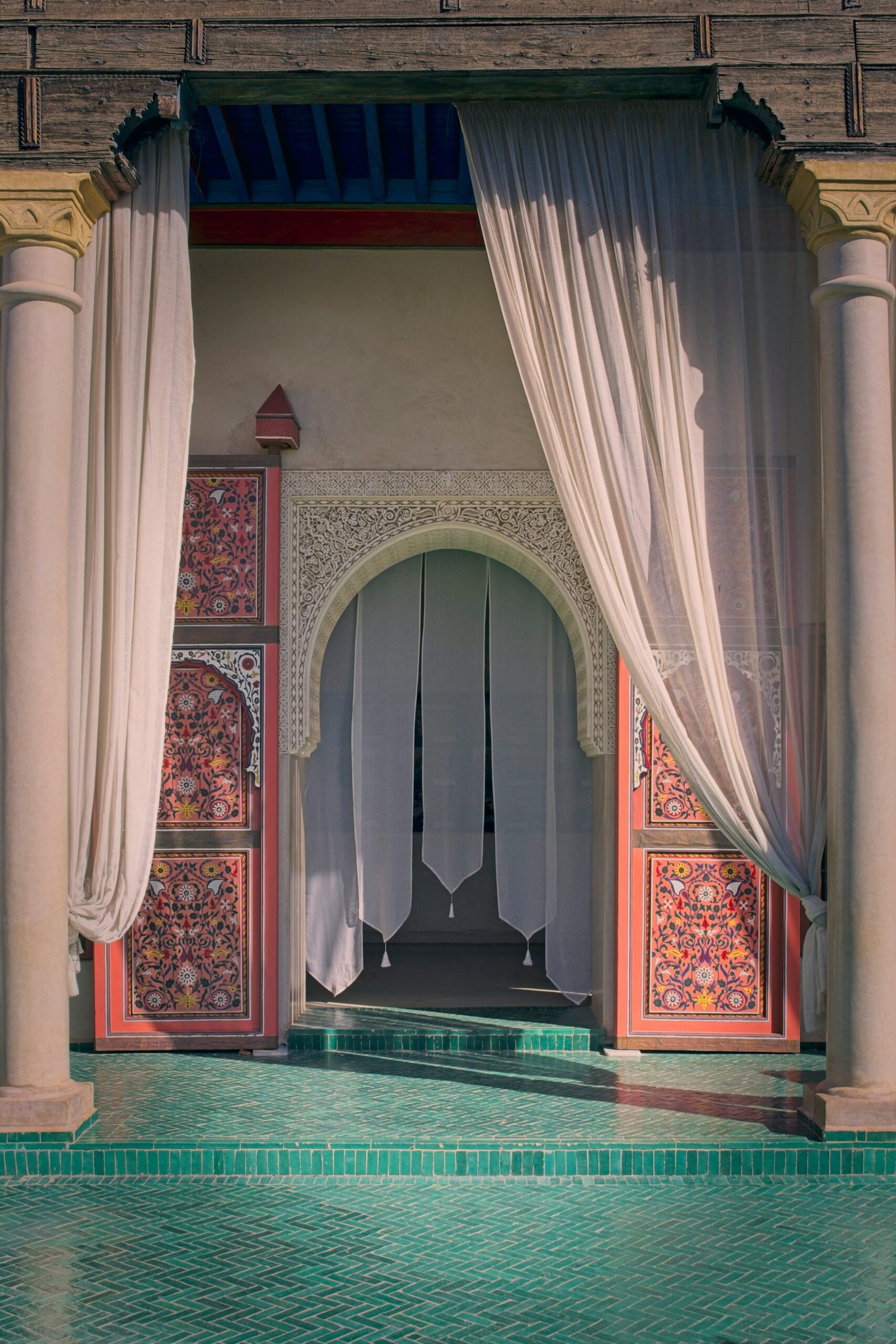
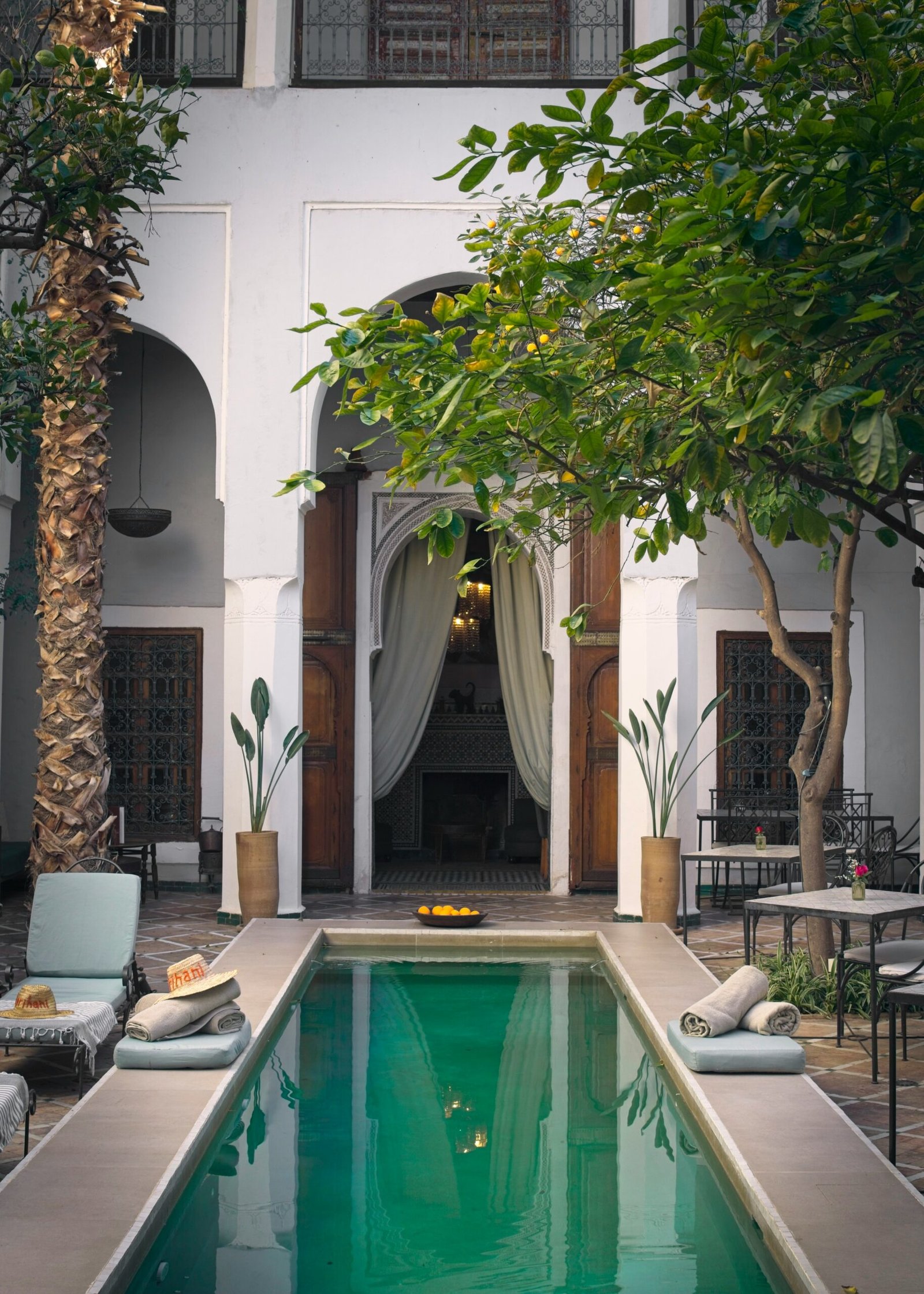
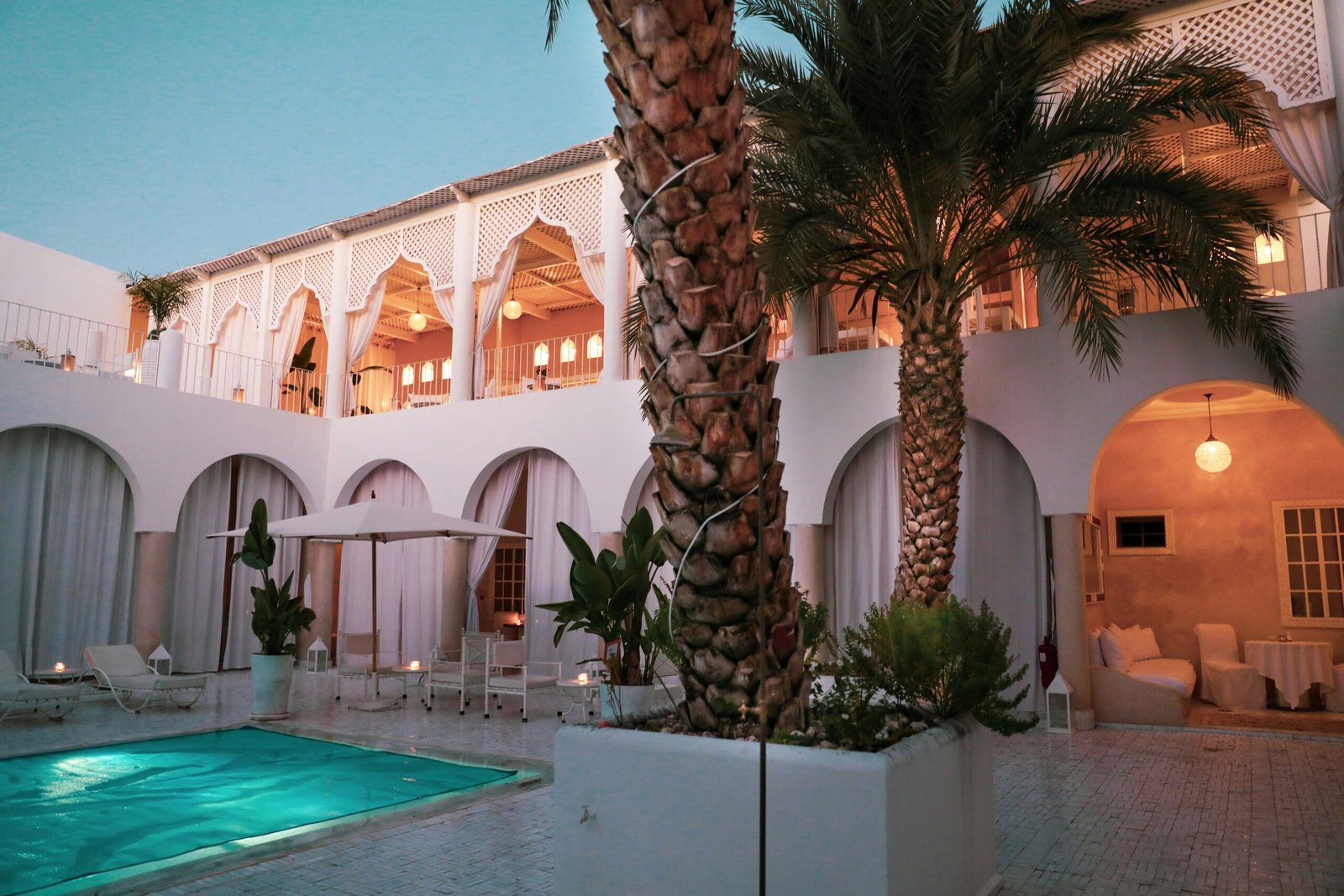
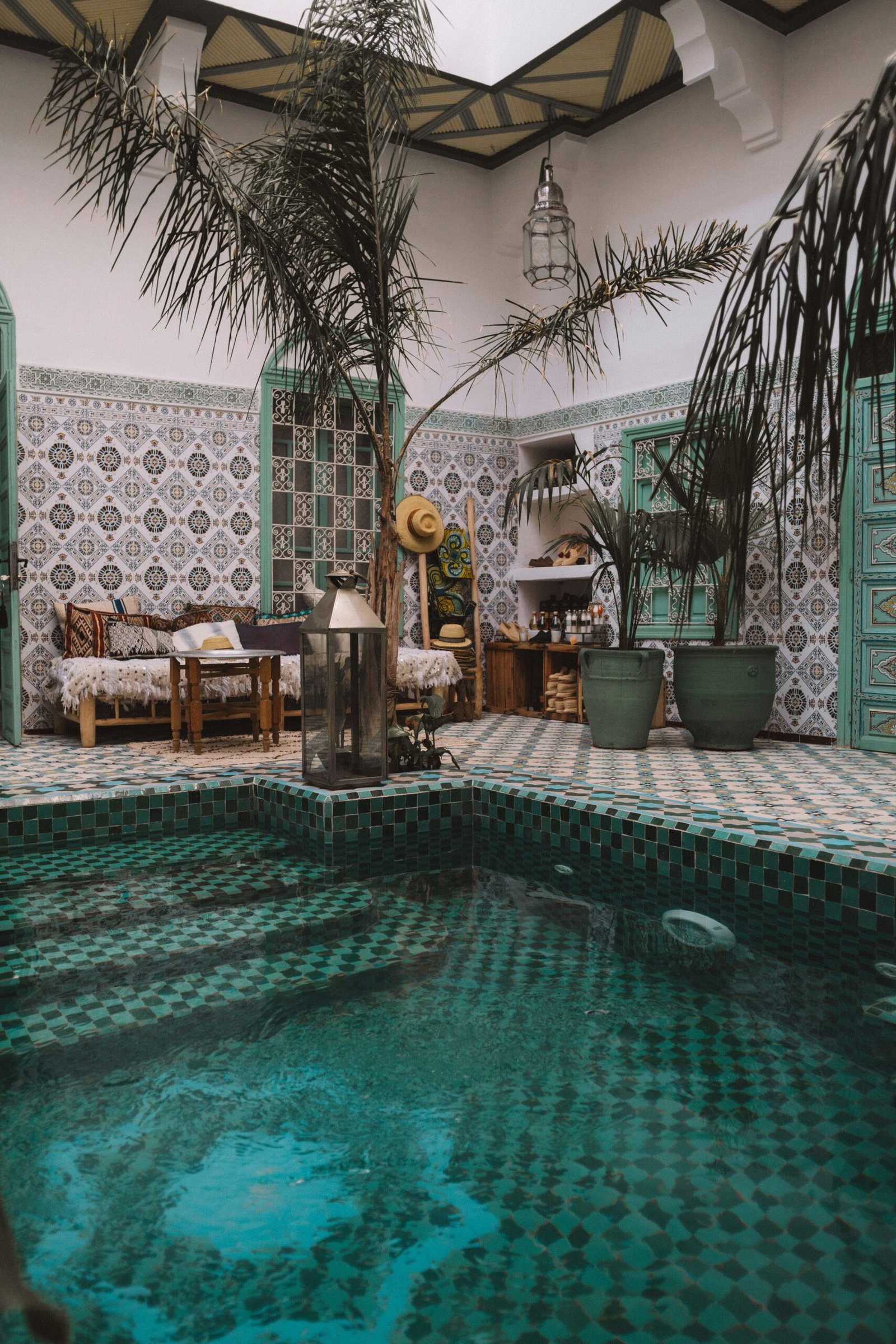
Morocco’s best stays aren’t one-size-fits-all. A riad inside the medina feels like a hidden courtyard garden, close to the action and full of character, but rooms can be smaller, and stairs are common. A luxury resort outside town trades charm for space, pools, and easy car access. In the Atlas Mountains and around Skoura, kasbah-style hotels offer quiet views and a slower pace that pairs well with hiking or a late breakfast.
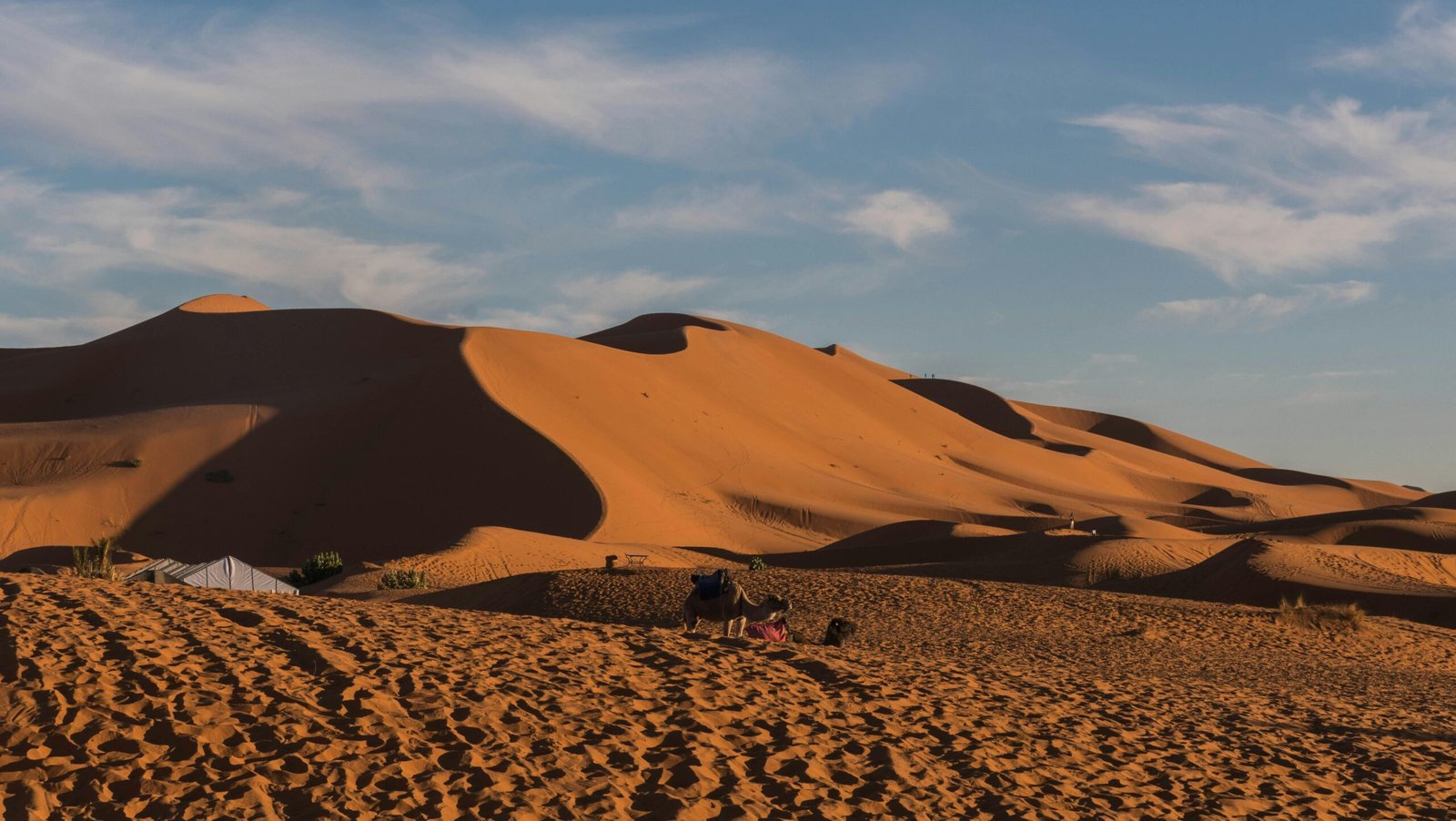
For the Sahara, high-end camps should mean real beds, private bathrooms, and temperature control (heat for winter nights, cooling for warm spells). Location matters too: Erg Chebbi is easier to reach and more common, Erg Chigaga is wilder but takes longer.
Before you commit, check these details in writing:
A strong Morocco itinerary 9 days is like a good meal: courses in the right order, with pauses built in. This 9-day plan keeps long drives under control, balances guided time with free time, and puts the “big moments” on days when you’ll have the energy to enjoy them.
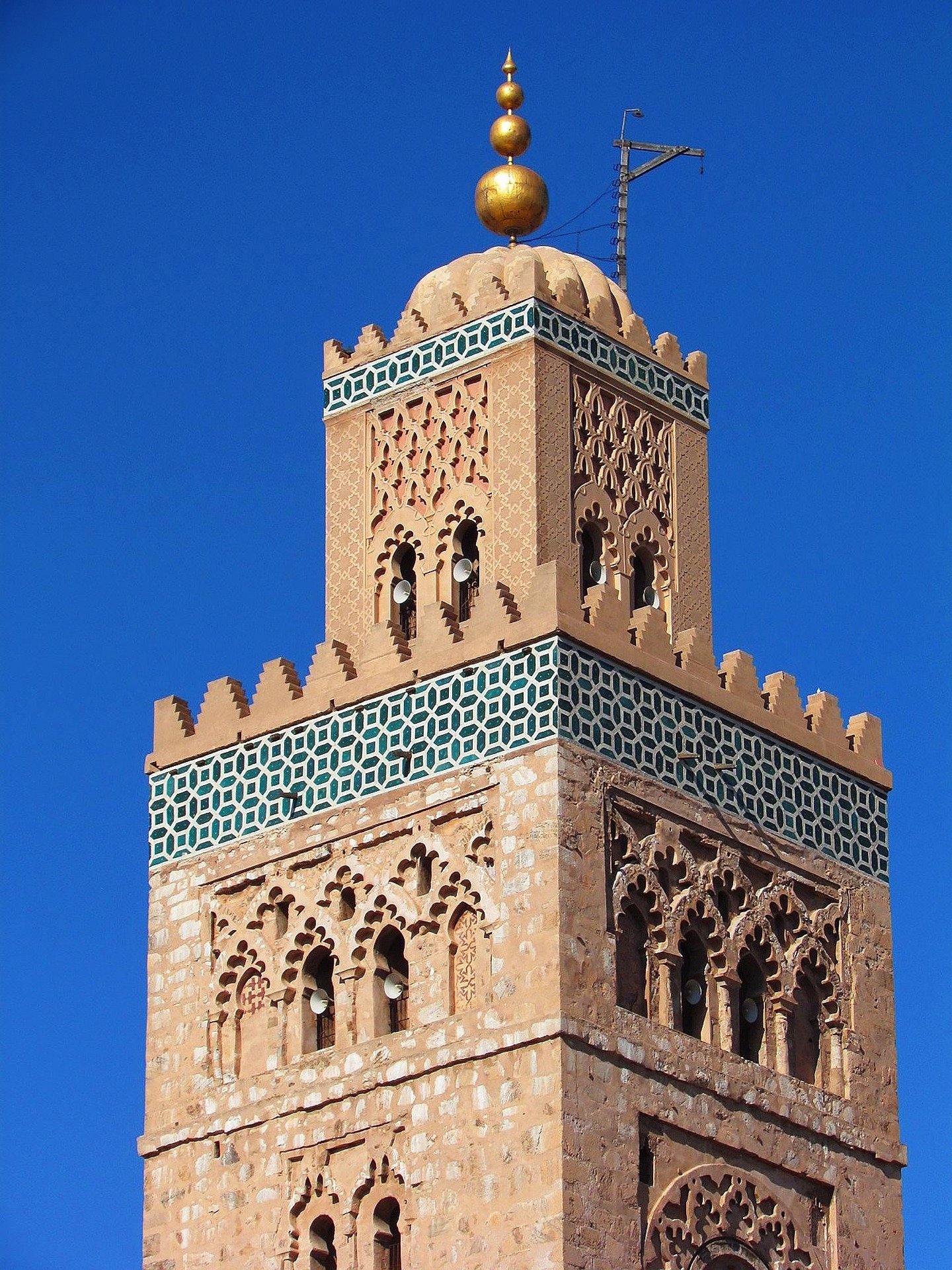
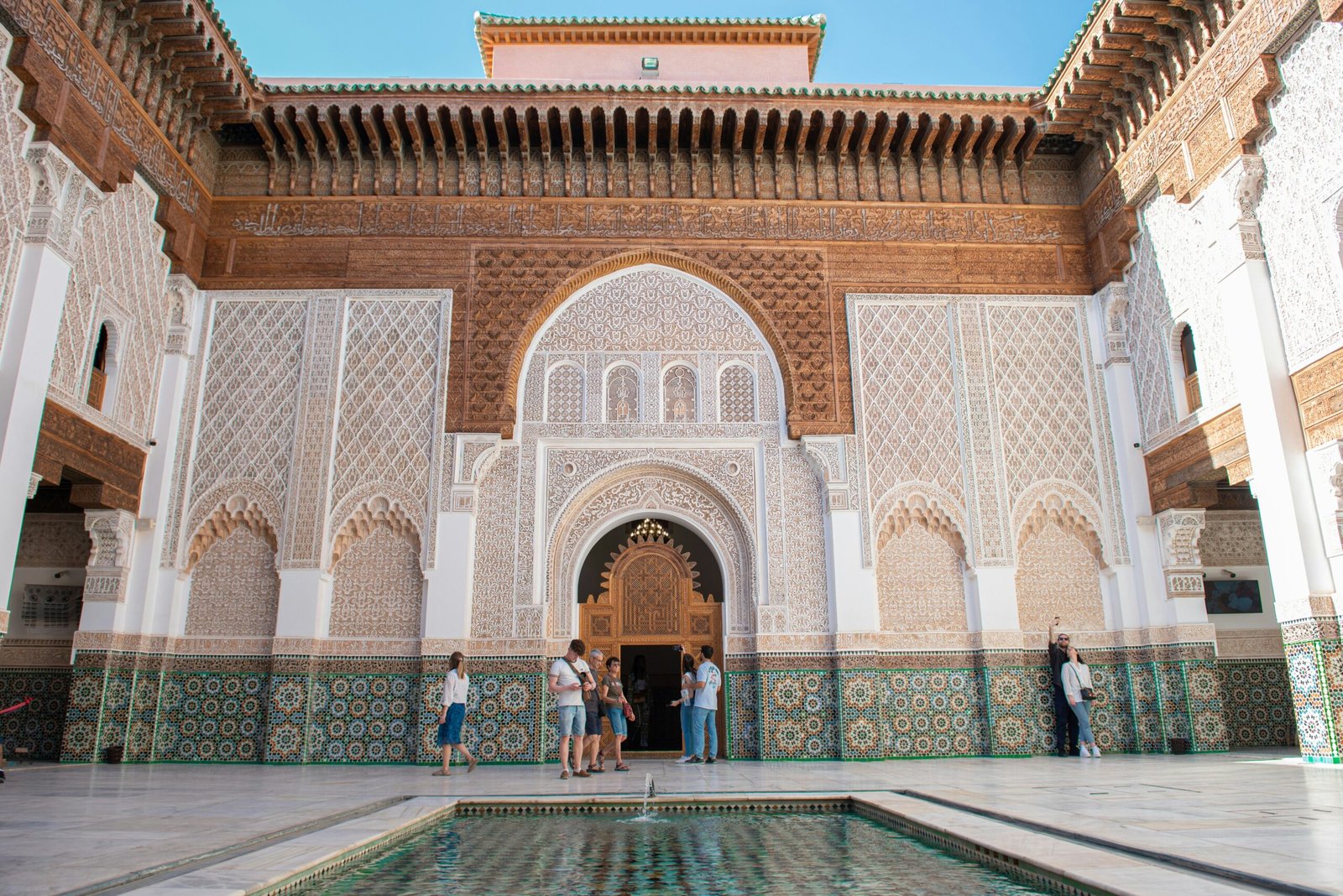
Days 1 to 2 (Marrakech): Arrive to a private transfer and a check-in that’s handled for you. The next morning, take a private walking tour with a guide who knows calmer routes through the medina. You’ll still see the classics, but you’ll avoid the most crowded pinch points.
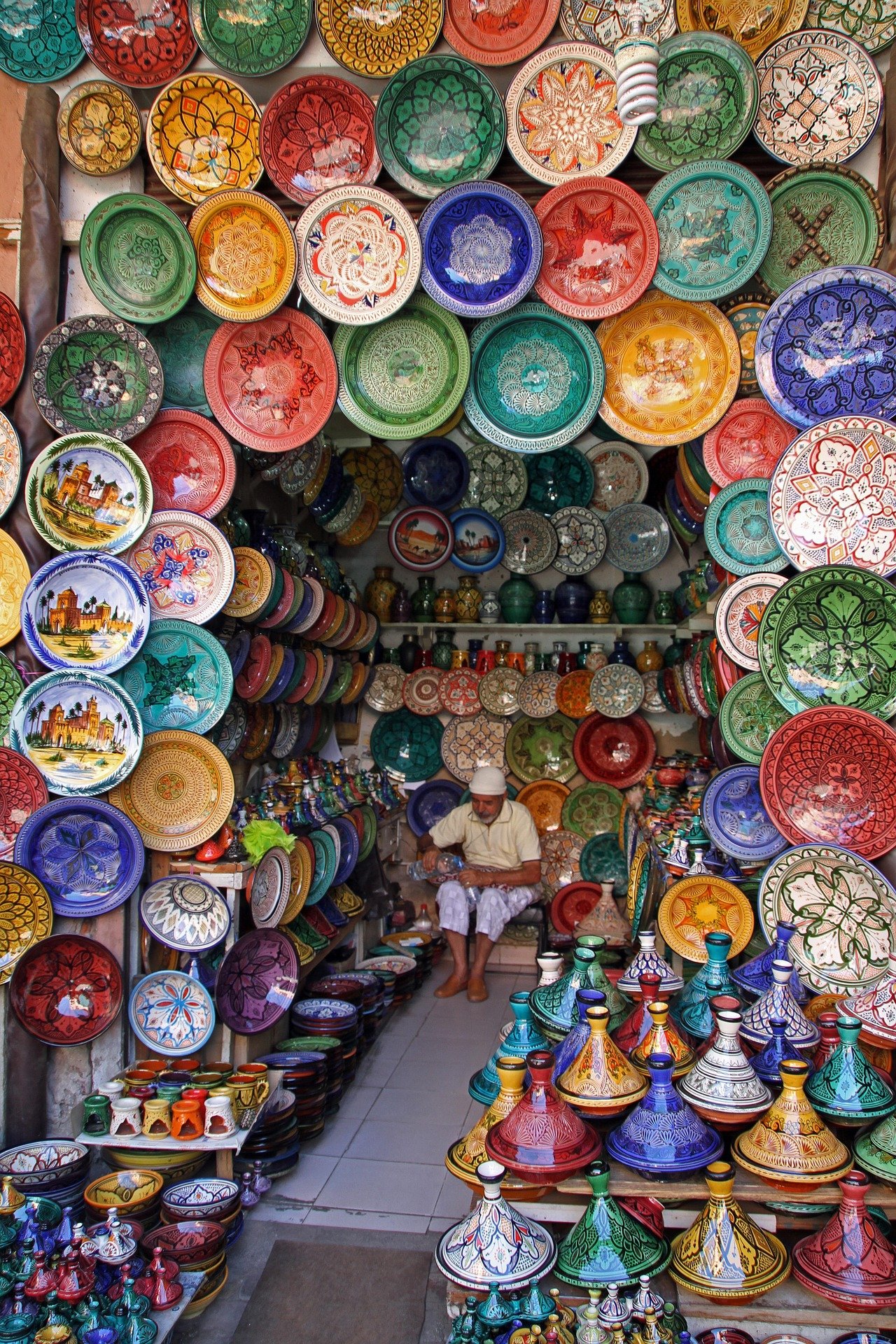
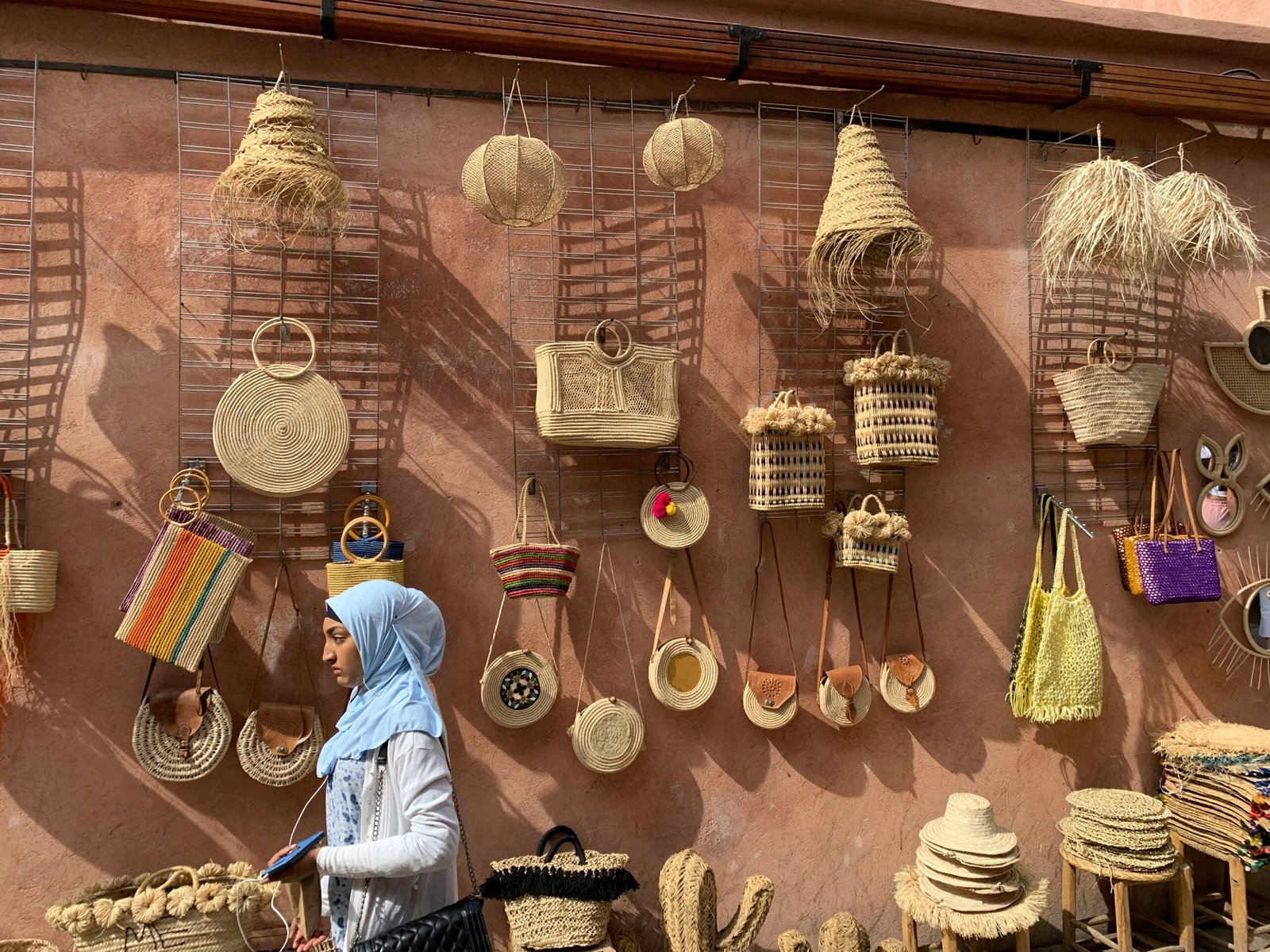
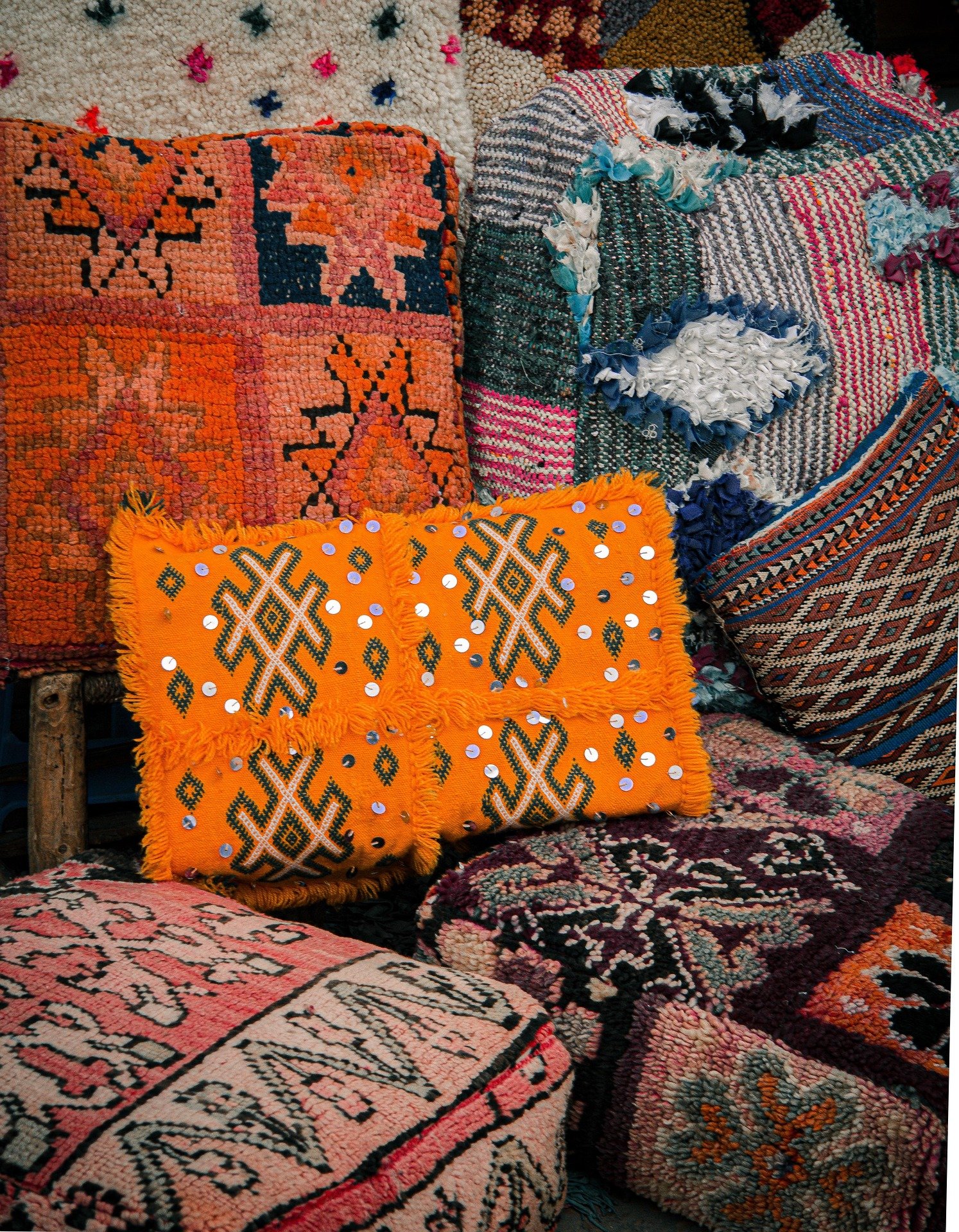
Add a curated shopping stop focused on quality artisans and fair pricing. This is where luxury helps, a good guide can keep it respectful and quick. For food, pick one elevated experience: a chef’s table, a tasting menu, or a cooking class that ends with lunch on a shaded terrace. In the afternoon, a hammam and spa session can reset your body after travel.
Day 3 (Atlas Mountains): Choose a day trip or overnight to Imlil, Ourika, or a luxury lodge with mountain views. The point isn’t to cram in sights, it’s to trade traffic for fresh air. If you like photography, schedule golden-hour time at the lodge instead of another stop.
Optional swap: If wellness is your priority, add yoga or a longer spa block and shorten shopping.
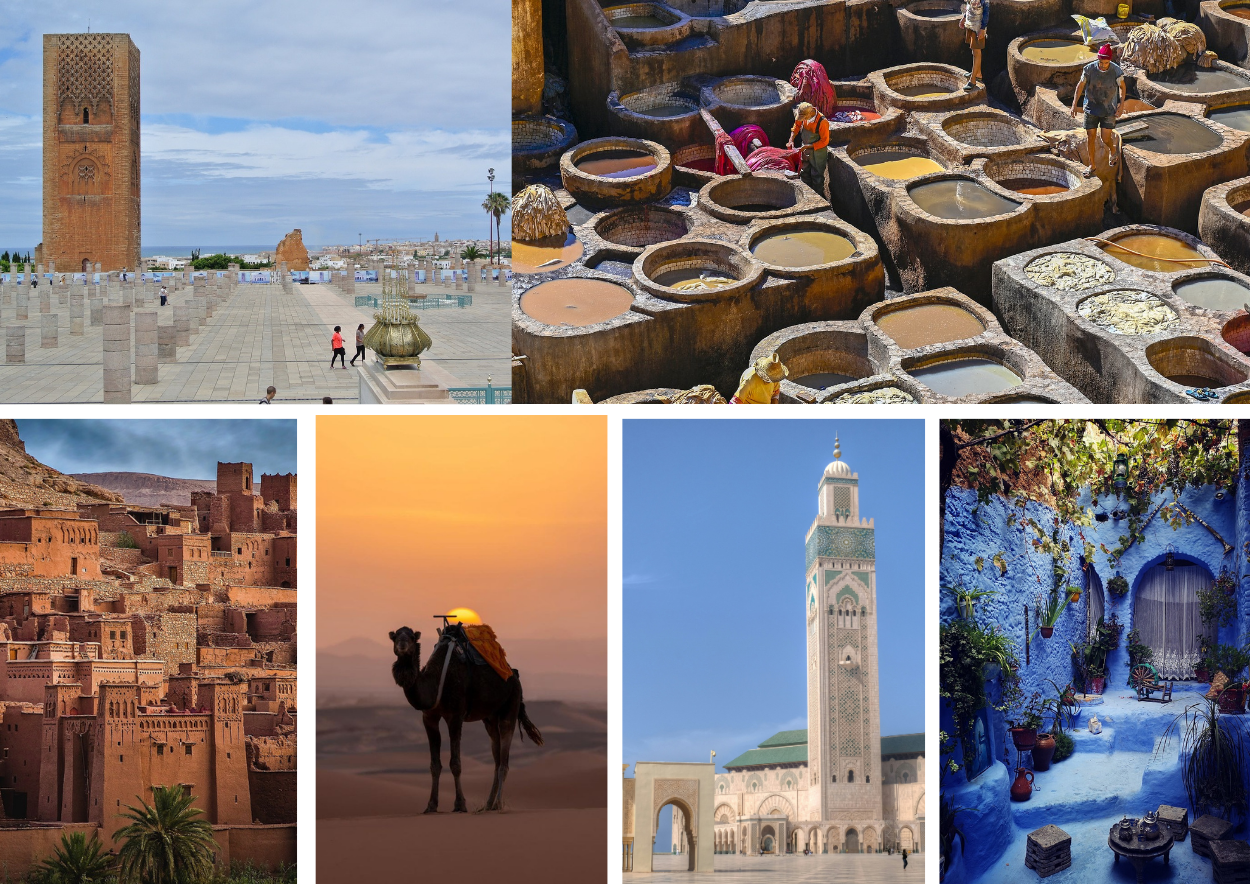
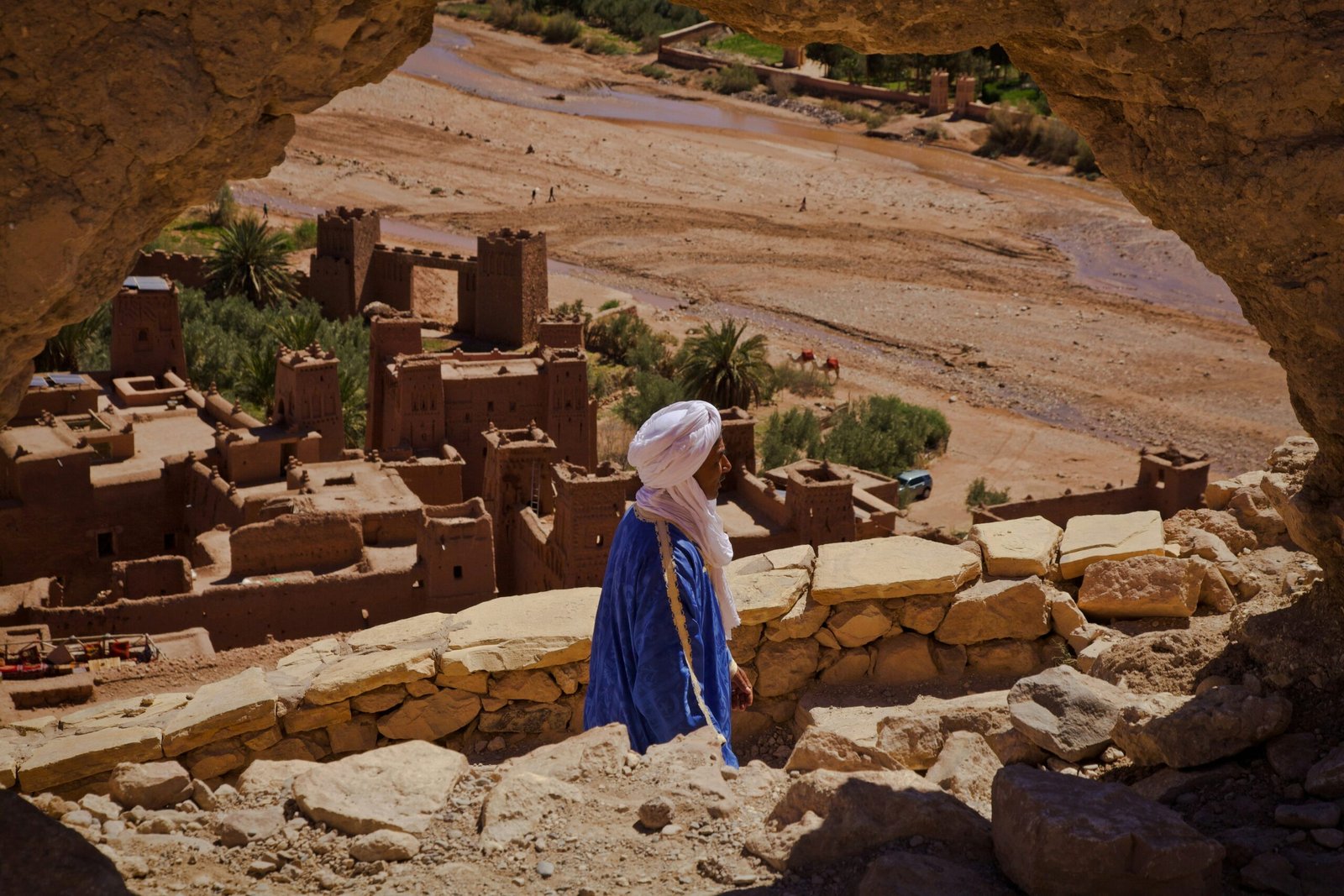
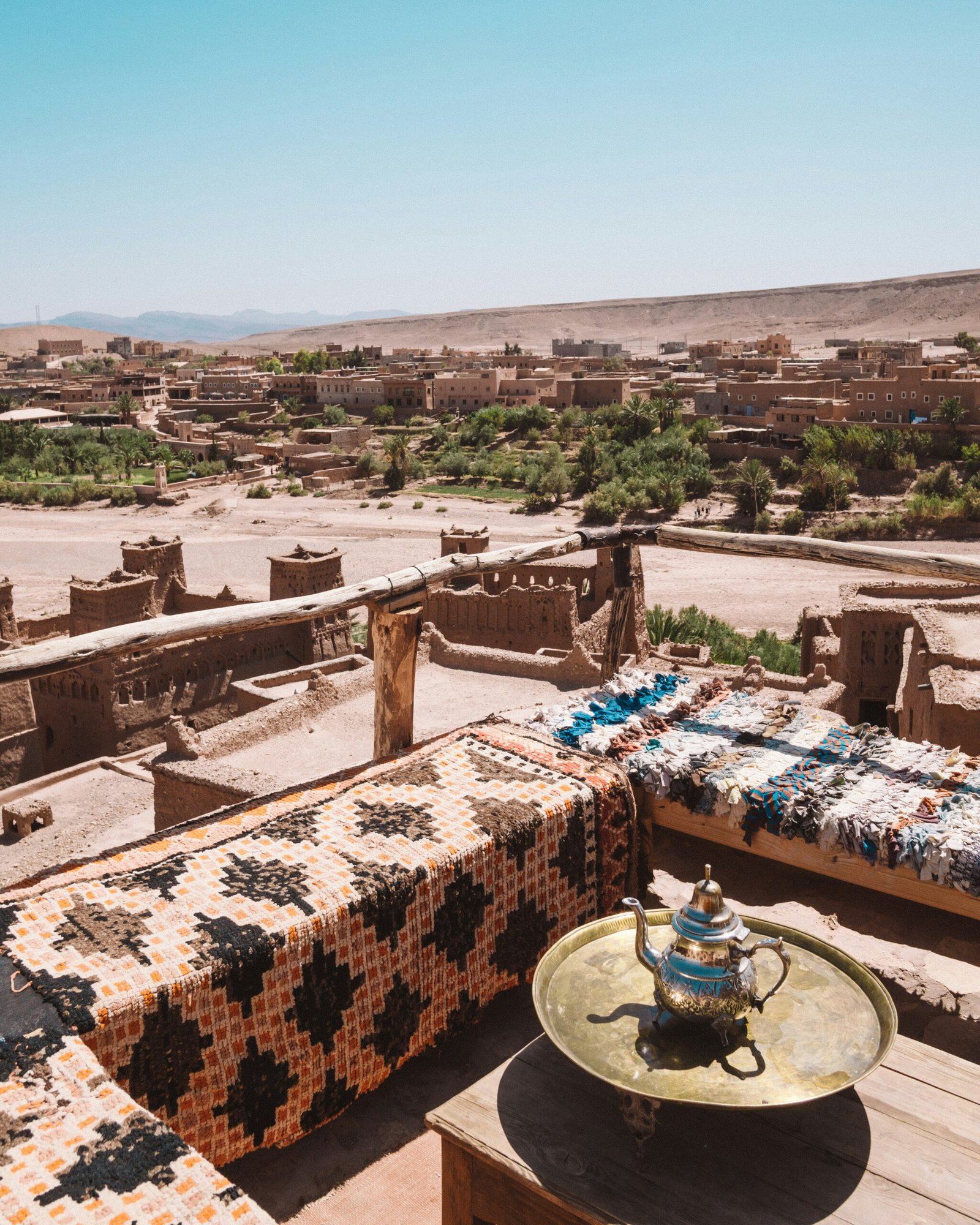
Days 4 to 6 (Desert route): Travel south via Aït Ben Haddou and Ouarzazate, then continue through the Dades or Todra area for a scenic break before the dunes. A luxury tour earns its keep here with a comfortable vehicle, smart stops, and a driver who doesn’t treat the day like a race.
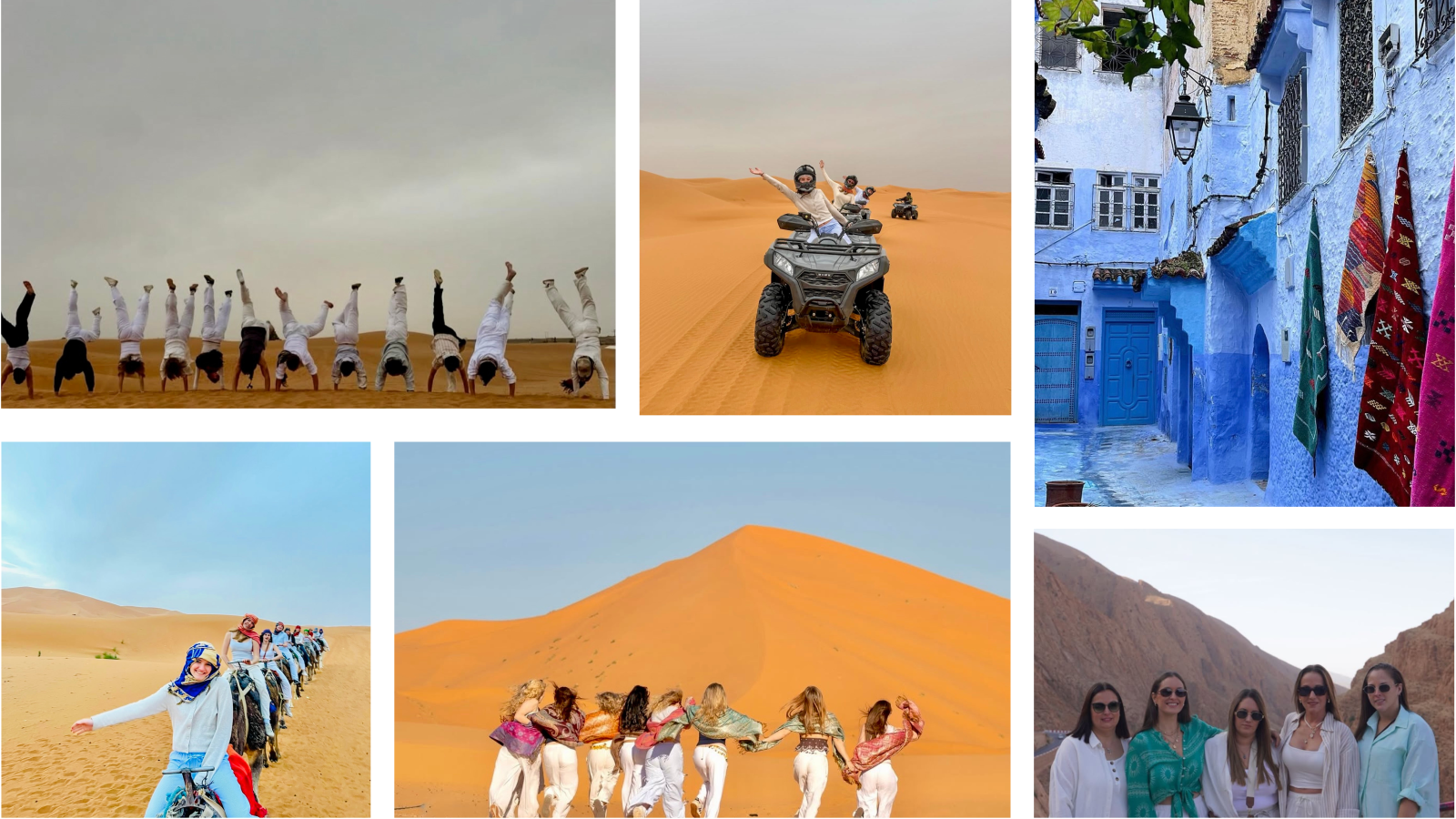
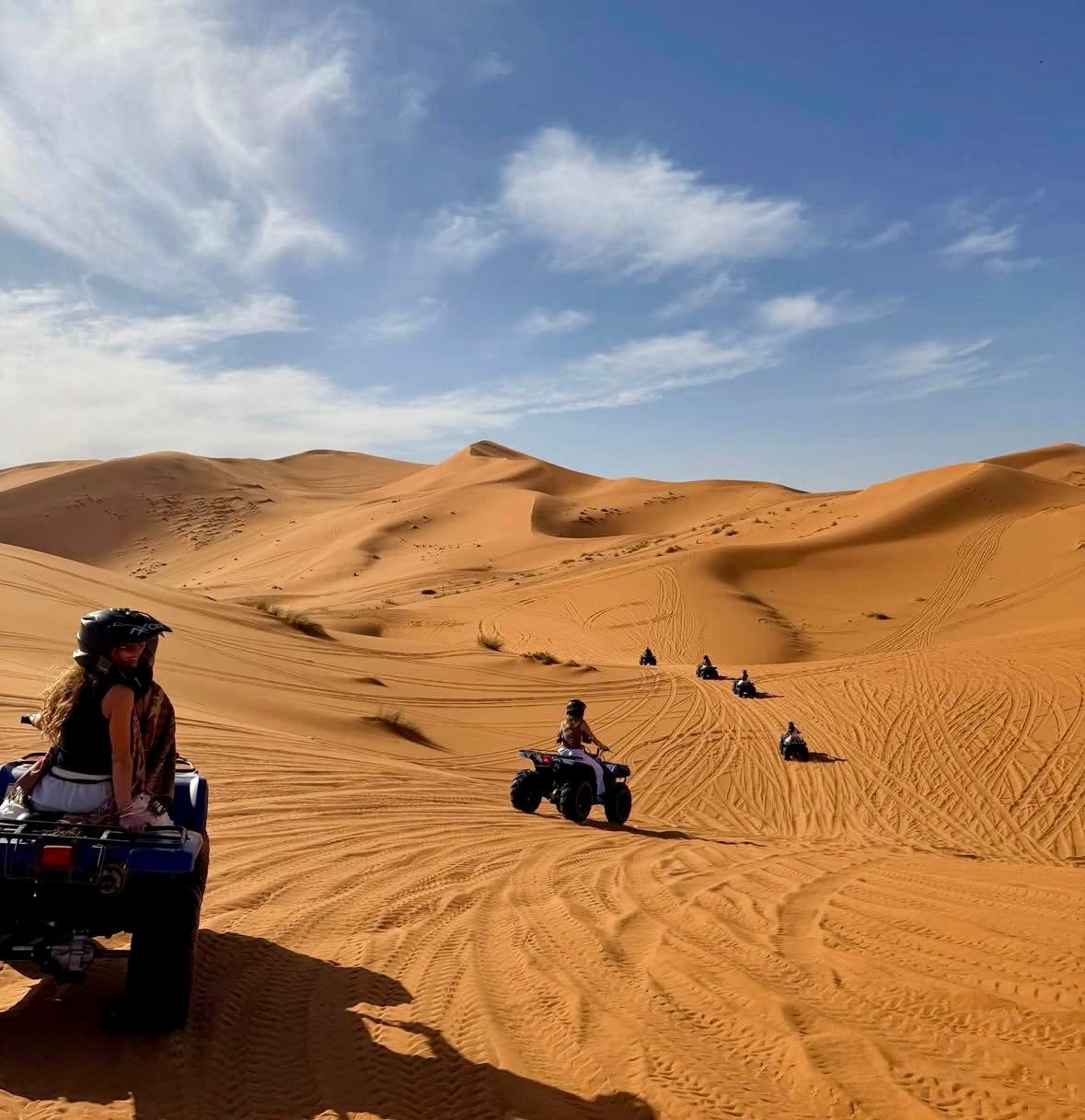
If your camp requires it, switch to a private 4×4 transfer for the final stretch. A sunset camel ride should be a choice, not a requirement. Some guests prefer arriving by 4×4, then taking a short camel loop just for photos.
In camp, look for small details that protect your sleep: quiet hours, a fire with music that doesn’t go late, and a staff that can serve a proper dinner, not a rushed buffet feel. The next morning should include a late start option, then an easy return ride.
Considering a shorter desert add-on? Agafay gives a desert mood near Marrakech, but the Sahara is where you get real dunes and big skies.
Optional swap: Adventure travelers can add a guided hike in Todra, food lovers can schedule a farm lunch near Skoura.
Days 7 to 8 (Fès): Spend a full day in the medina with a specialist guide. That usually includes a tannery viewpoint (from a terrace, not inside the vats), one or two madrasas, and artisan workshops where you can watch craft without pressure to buy.
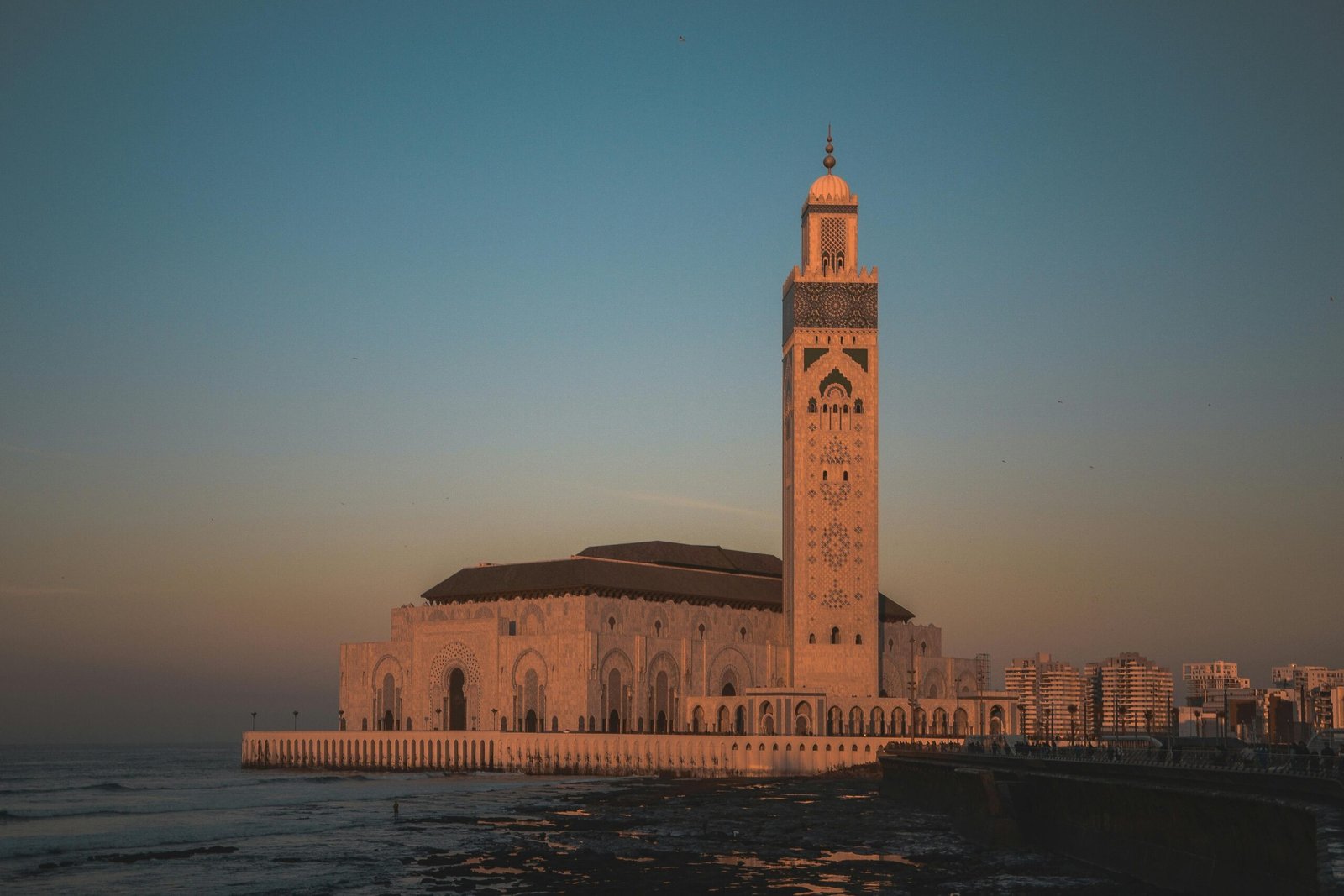
Day 9 (Depart or extend): If flights line up, fly out from Fès. If you want a softer landing, add Essaouira for ocean air and a slower final day. Casablanca only belongs here if it fits your route, if you do stop, a short visit to the Hassan II Mosque can be worth it.
A higher price can be fair, but only when inclusions are clear. Morocco has big seasonal swings: spring and fall are popular and pricier, summer brings heat (with better deals in some areas), and winter can mean cold desert nights that require better tents and heating. The goal is to pay for comfort you’ll feel, not for vague “VIP” language.
Hidden costs often come from premium rooms, single supplements, internal flights, entrance fees, tips, and upgrades that weren’t clear upfront. Watch for red flags like vague hotel lists, too many one-night stops, drive times that look too short on paper, and any “luxury camp” that uses shared bathrooms. If the schedule looks exhausting, it will feel worse on the ground.
Luxury tours in Morocco work best when the upgrades match real travel friction. Put your money into transport and pacing first, then pick stays that fit your style (medina riad, resort space, mountain quiet, or a true Sahara camp). Finally, book only when inclusions are clear, in writing, with named properties or a defined category.
Before you compare quotes, write a short list of must-have experiences. Then ask for a custom route that protects your time and sleep, because that’s what luxury feels like once you arrive.