Merzouga sits right on the edge of Morocco’s Erg Chebbi dunes, where the sand rises like a frozen wave. One minute you’re in a small desert town, the next you’re walking into wide open Sahara.
People come for the big dunes, the clear night skies, and the steady rhythm of life that feels older than the paved road that brought you here. You’ll also notice strong Amazigh (Berber) roots in music, food, and hospitality.
If you’re wondering what’s actually worth your time (and what to book ahead), this guide keeps it simple. These are the best things to do in Merzouga, with realistic expectations about comfort, timing, and how the experience usually works.
Merzouga is famous for a reason. The dunes are close, the views change by the minute, and most activities are easy to arrange even if you only have one night. Plan around light and temperature, because that’s what shapes the whole desert experience.
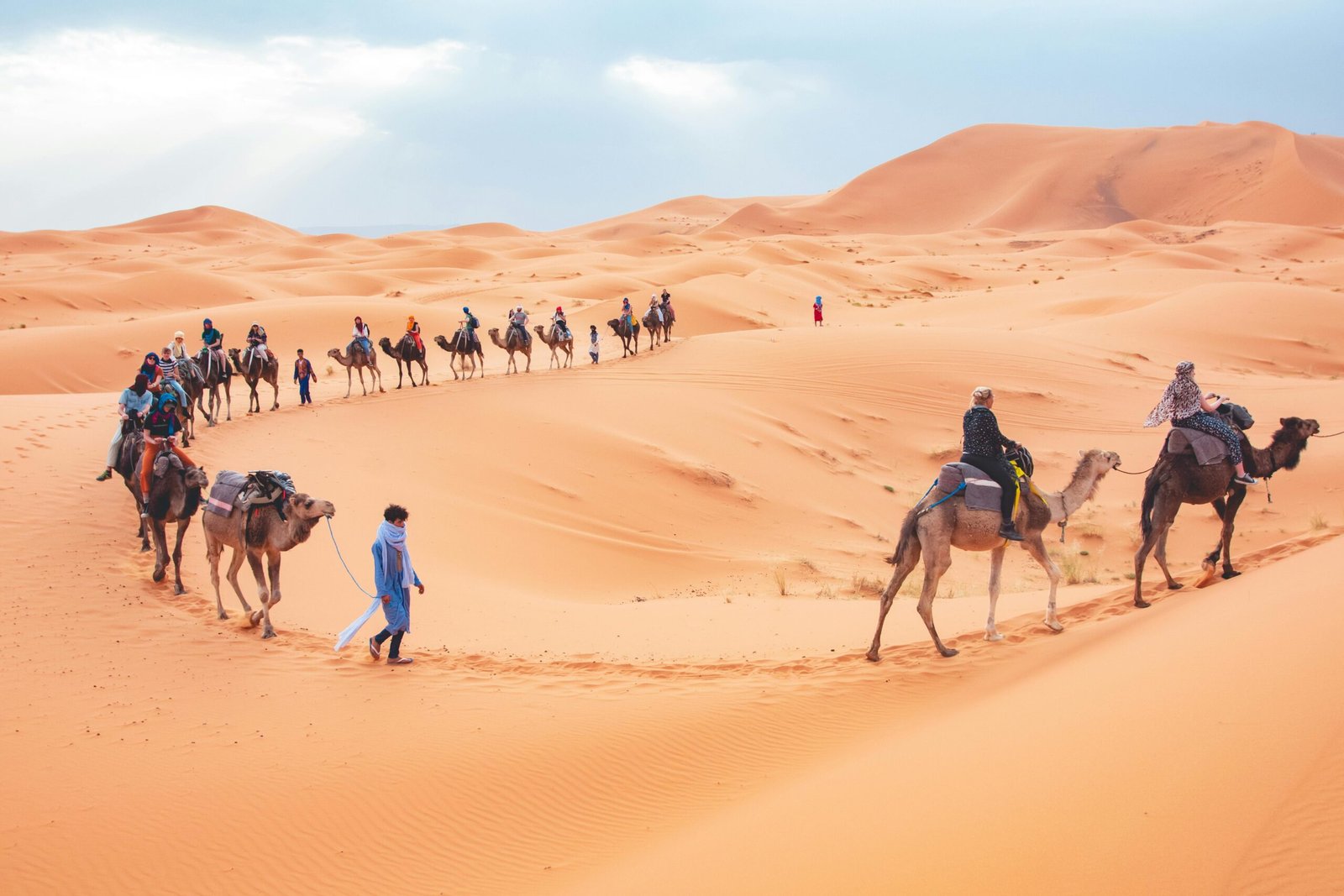
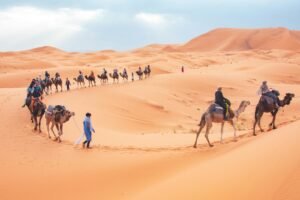
A camel trek is the postcard moment, but it helps to know what you’re signing up for. Most rides are 30 to 90 minutes each way, often timed for sunset or sunrise. You’ll likely climb on from a small staging area near town or near a camp route.
Riding feels like a slow, rolling sway. It can be uncomfortable if your hips or lower back are sensitive, so speak up if you need breaks. Wear long pants, closed-toe shoes, and something that blocks wind, because sand can sting.
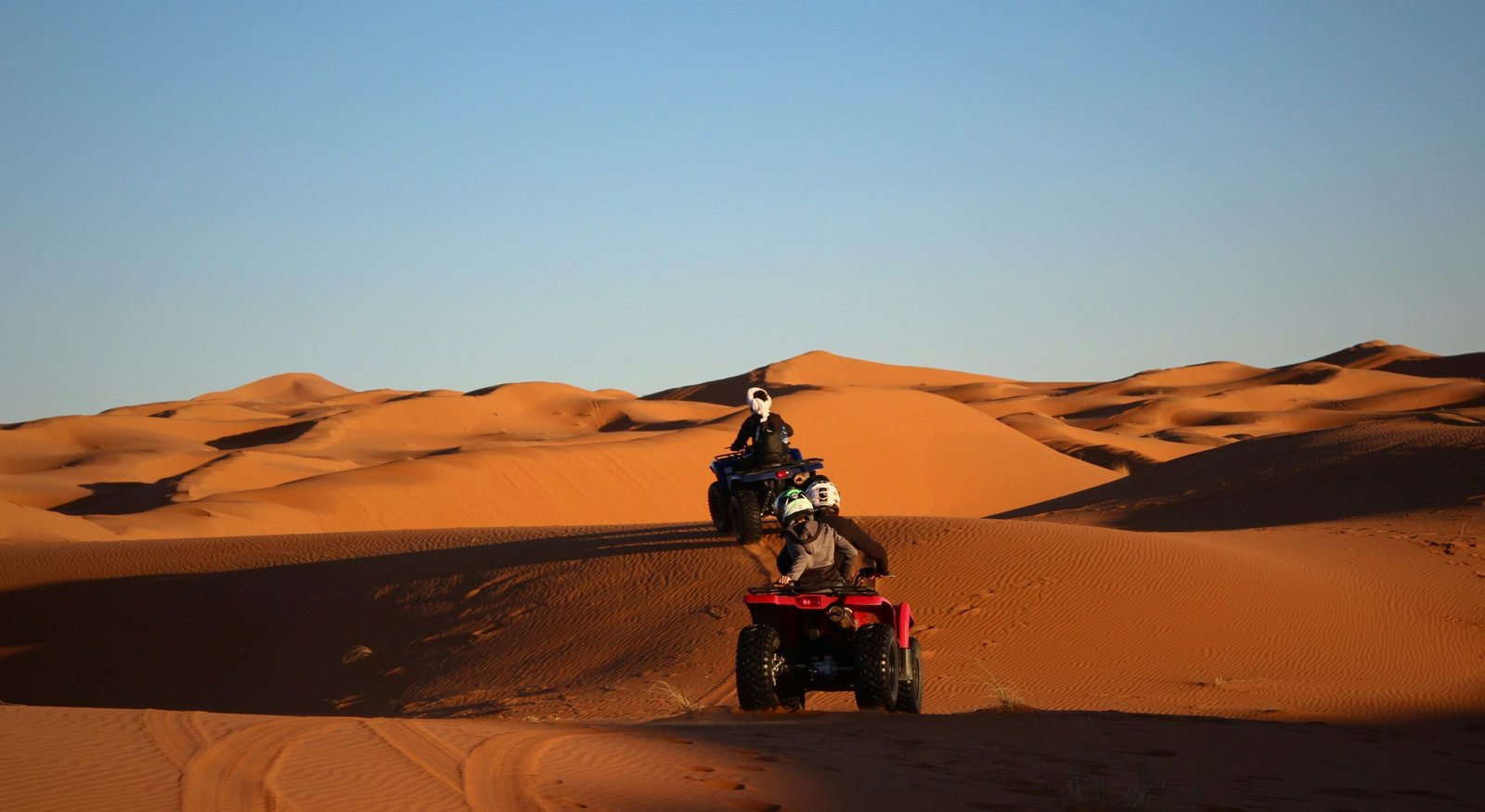
If you don’t want to ride, many operators offer a 4×4 transfer to the same camps and viewpoints. For tipping, cash is easiest, and a small tip for guides is common when the service is good. Also watch how the animals are treated, a calm pace and good handling should be non-negotiable.
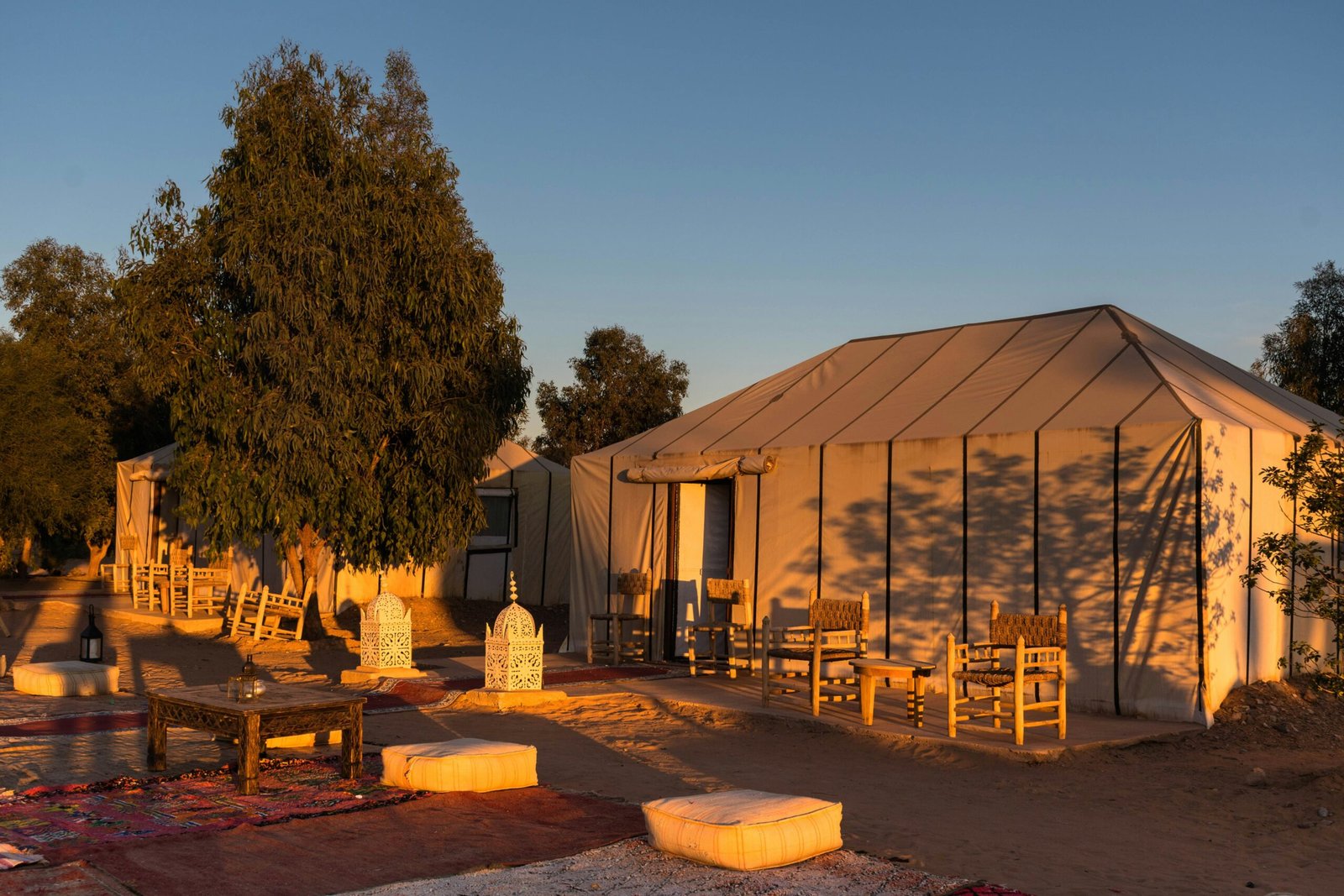
Spending the night in the dunes is the core Merzouga experience. Most camps include dinner, breakfast, mint tea, bedding, and an evening of drumming around a fire. The big difference is the setup: standard camps often have shared bathrooms, while luxury camps usually offer private bathrooms and thicker mattresses.
For couples, a private tent and bathroom can feel worth it, especially when the wind picks up. For families, ask about tent spacing, meal timing, and whether there’s space for kids to run without getting too close to other tents.
Light sleepers should plan for sound. Drums can go late, and wind can flap canvas. Sand also finds a way inside, so think of it like beach camping, just quieter and colder at night.
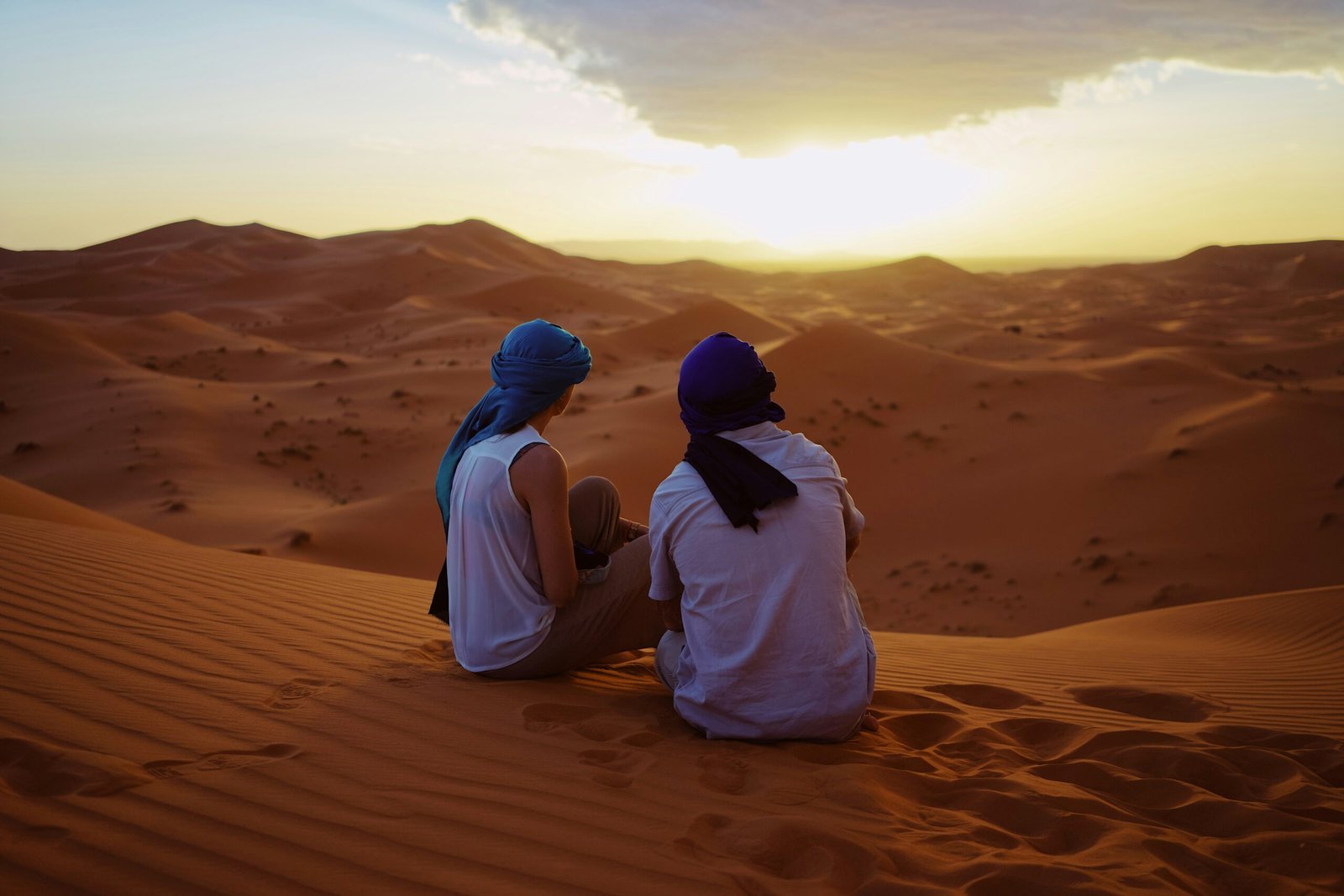
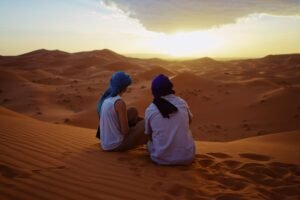
Sunset and sunrise are when Erg Chebbi looks unreal, but you don’t need a perfect plan. For sunset, leave earlier than you think, because everyone moves at the same pace on soft sand. For sunrise, start in the dark, it’s part of the magic.
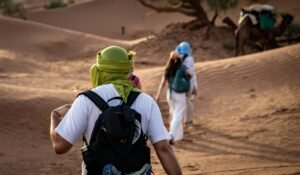
If you want an easy option, walk a short distance from town to smaller dunes for a wide view with less effort. If you want fewer people in your photos, go deeper with a guide, or walk laterally along the dune line instead of heading straight up the most obvious slope.
Wind matters more than clouds here. A breezy evening can blur the horizon with fine sand, so keep expectations flexible and protect your camera and eyes.
Sandboarding is usually easier than people expect. You don’t need experience, you just need a slope and a board. Many camps have boards on site, and some shops rent them near the dunes.
Wear sunglasses, shake sand out of your shoes, and keep your first runs short. The best rides happen when the sand is a bit firmer, often in the morning or after a cooler night. If you fall, it’s soft, but it can still scrape, so long sleeves and pants help.
You can sit and slide if standing feels hard. Either way, it’s the kind of fun that makes everyone laugh, even the people who swore they wouldn’t try it.
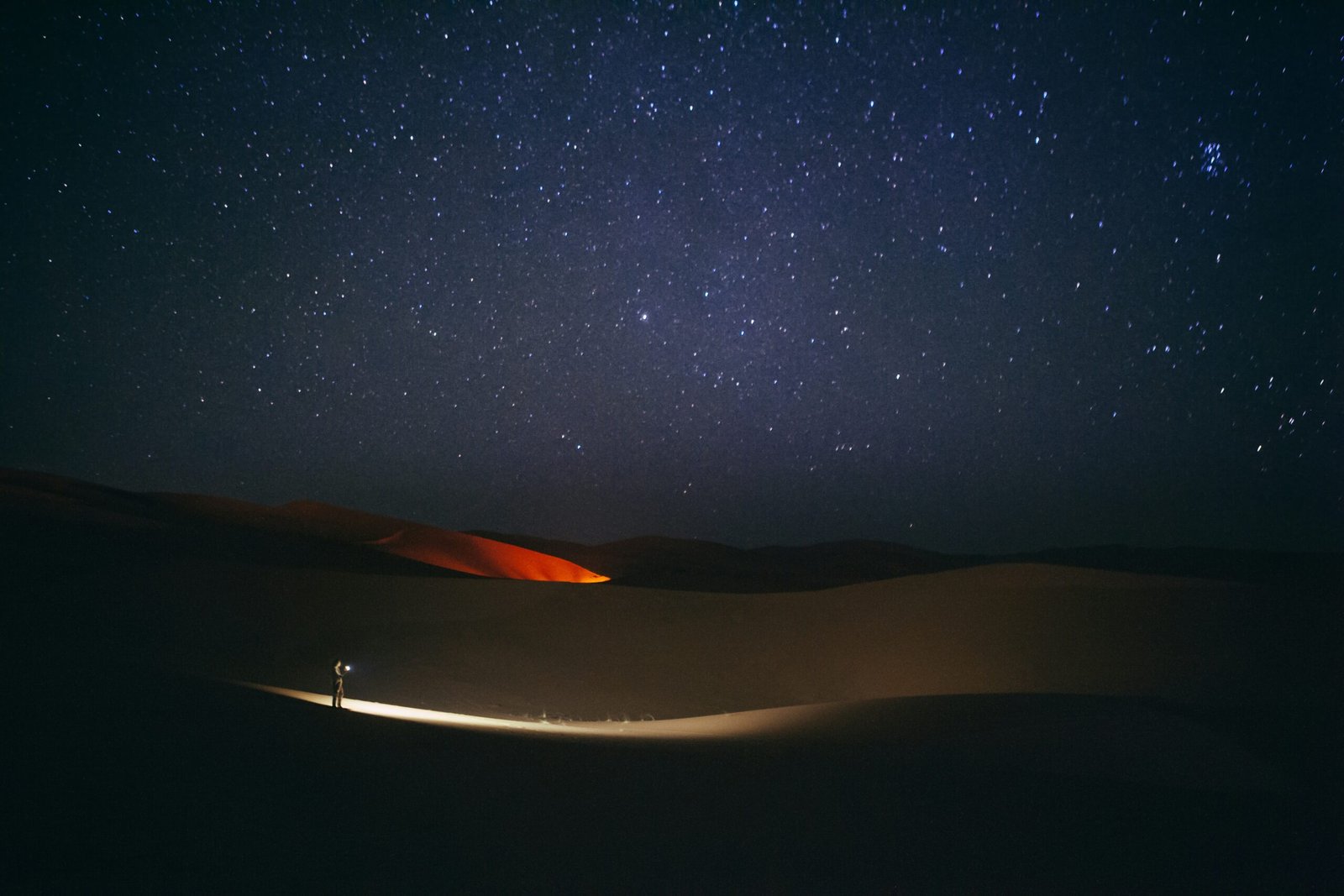
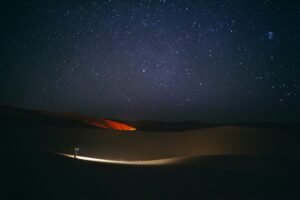
On a clear night, Merzouga’s sky can feel close enough to touch. You don’t need a telescope to enjoy it, you just need darkness and patience. A new moon helps a lot, because moonlight can wash out faint stars.
Walk a little away from camp lights or town lamps, then give your eyes about 15 to 20 minutes to adjust. With the naked eye, you can often pick out bright planets, dense star fields, and, on the best nights, a faint band of the Milky Way.
Comfort matters here too. Bring a layer, sit on a blanket, and keep your phone screen dim so you don’t reset your night vision.
If you have extra time, Merzouga isn’t only dunes. The area around Erg Chebbi has quiet roads, small communities, and open desert plains that feel totally different from the high sand ridges. These day trips fit well between a sunset trek and a camp night, or as a full morning plan.
A 4×4 tour is a practical way to see more in a short window. Many routes run 2 to 4 hours, looping through hamadas (rocky desert), small settlements, and scenic viewpoints where the dunes look like a distant wall of gold. Some drivers also stop near fossil areas, depending on the route and local access.
When choosing a driver, ask what’s included and how stops work. A good tour doesn’t feel like a chain of sales pitches. If a visit includes meeting nomad families, keep it respectful, ask before photos, and don’t feel pressured to buy anything. If you do want to support someone, buy because you like the item, not because you felt cornered.
Khamlia is a small village near Merzouga known for Gnawa music, with steady percussion and call-and-response singing that can stick in your head for the rest of the day. It’s usually a short drive, and visits often last about an hour.
The vibe is low-key, often tea first, then a short performance. Bring small cash for a donation, and ask before recording audio or video. It’s not a theme show, it’s people sharing a tradition, so a quiet, appreciative attitude goes a long way.
Dayet Srij is a seasonal lake, and that word matters. Some months it’s there, other months it’s more of a dry basin. When rain and conditions cooperate, birds can gather, sometimes including flamingos and other migrating species.
Go in the cooler hours, especially morning, when light is soft and wildlife is more active. Keep your expectations open, because the lake changes year to year. Even when water is low, the flat horizon and wide sky still make it worth the short trip.
Merzouga can be simple if you plan around weather and distance. Most stress comes from tight schedules, wrong clothing, or assuming the desert stays warm after dark. A little prep makes the whole trip feel calmer.
Spring and fall are the easiest seasons for most travelers, with warm days and cooler nights. Winter is comfortable in the daytime, but nights can get cold fast, especially in a camp. Summer heat can be extreme, and midday activities can feel draining.
Wind can show up anytime, and occasional sandstorms can reduce visibility. If your schedule is flexible, build in a buffer so you can swap a sunrise plan for a later walk if conditions are rough. check our Morocco Sahara travel guide .
Most people reach Merzouga from Marrakech or Fes, often passing through towns like Erfoud or Rissani. It’s typically a long travel day, so many travelers break the trip with one overnight stop along the way.
You can arrive by rental car, private driver, or multi-day tour. Some buses run to nearby towns, then you continue by taxi. In busy months, book your desert camp and any camel or 4×4 transfers ahead, especially if you want a private bathroom or a quieter camp location.
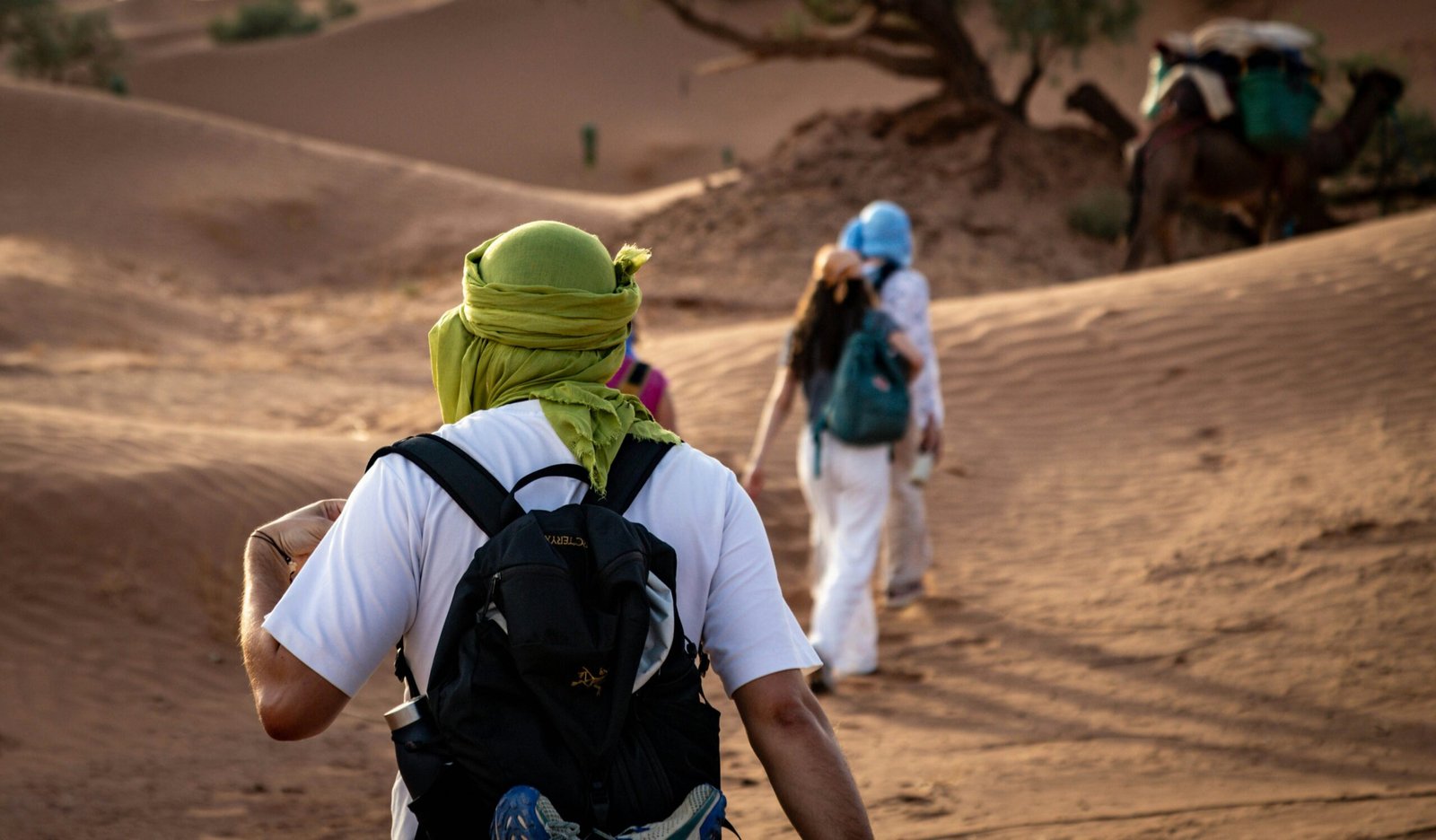
Pack for sun, wind, and cold nights. Layers beat bulky clothes, and closed-toe shoes make walking on mixed ground easier. A scarf helps with wind and dust, and sunglasses matter more than you think.
A few small items improve the whole trip: sunscreen, lip balm, a headlamp for camp paths at night, wet wipes, and small cash for tips and snacks. Bring a power bank, outlets can be limited. To keep sand under control, use zip pouches for chargers, camera gear, and toiletries.
Merzouga rewards simple plans. First-timers usually do best with a sunset trek, one night in a camp, and a quiet sunrise walk. If you’re short on time, pick two core experiences and don’t overbook. Families often love sandboarding and a comfortable camp, while couples may prefer a smaller, quieter setup.
Leave space for the moments you can’t schedule, like the sound of wind on a dune ridge or the first stars coming out. Choose your camp night now, then build the rest around that, and save your packing notes so the day you arrive feels easy.
Plan for 2 to 3 days in Merzouga. That gives you time to enjoy the dunes, take a camel trek, and spend a night in a desert camp. You can also fit in stargazing and a few extra activities without rushing.
Merzouga is best known for the Erg Chebbi sand dunes. Many travelers come for camel rides, desert camps (from simple tents to luxury stays), and wide-open views at sunrise and sunset. It’s also known for warm Berber hospitality and a close look at nomadic life under clear desert skies.
Top places to visit include the Erg Chebbi dunes, nearby nomadic camps, Khamlia village, Dayet Srij Lake (when there’s water), and local fossil shops. These spots also cover many classic things to do in merzouga in a short visit.
Yes. Merzouga is one of Morocco’s best areas for stargazing. With very little light pollution in the desert, the Milky Way often shows up on clear nights.
The most comfortable seasons are spring (March to May) and fall (September to November). Days are warm, and nights are cooler than in summer.
The nearest major city is Errachidia, about 2 hours away by car. It has a small airport, Moulay Ali Cherif Airport, with domestic flights from Casablanca.