Morocco Sahara Desert Travel

Morocco Sahara Desert Travel: Your Essential Travel Guide (2026)

Picture this: gold dunes that change shape with the wind, a sky so full of stars it looks painted, and a quiet morning where your only “noise” is sand sliding down a ridge. A Morocco Sahara desert travel trip can feel like that, but only if you plan it with clear expectations.

This guide helps you choose the right desert area (because “Sahara” can mean very different routes and camp styles), pick the best timing, choose a tour you’ll actually enjoy, pack what matters, and stay safe. Most first-timers book 2 to 5 days tours from Marrakech or Desert tours Fes, and that choice affects everything, driving time, comfort, crowds, and how “remote” the desert will feel.

Choose the right Sahara route for your time, budget, and comfort level

morocco sahara desert travel

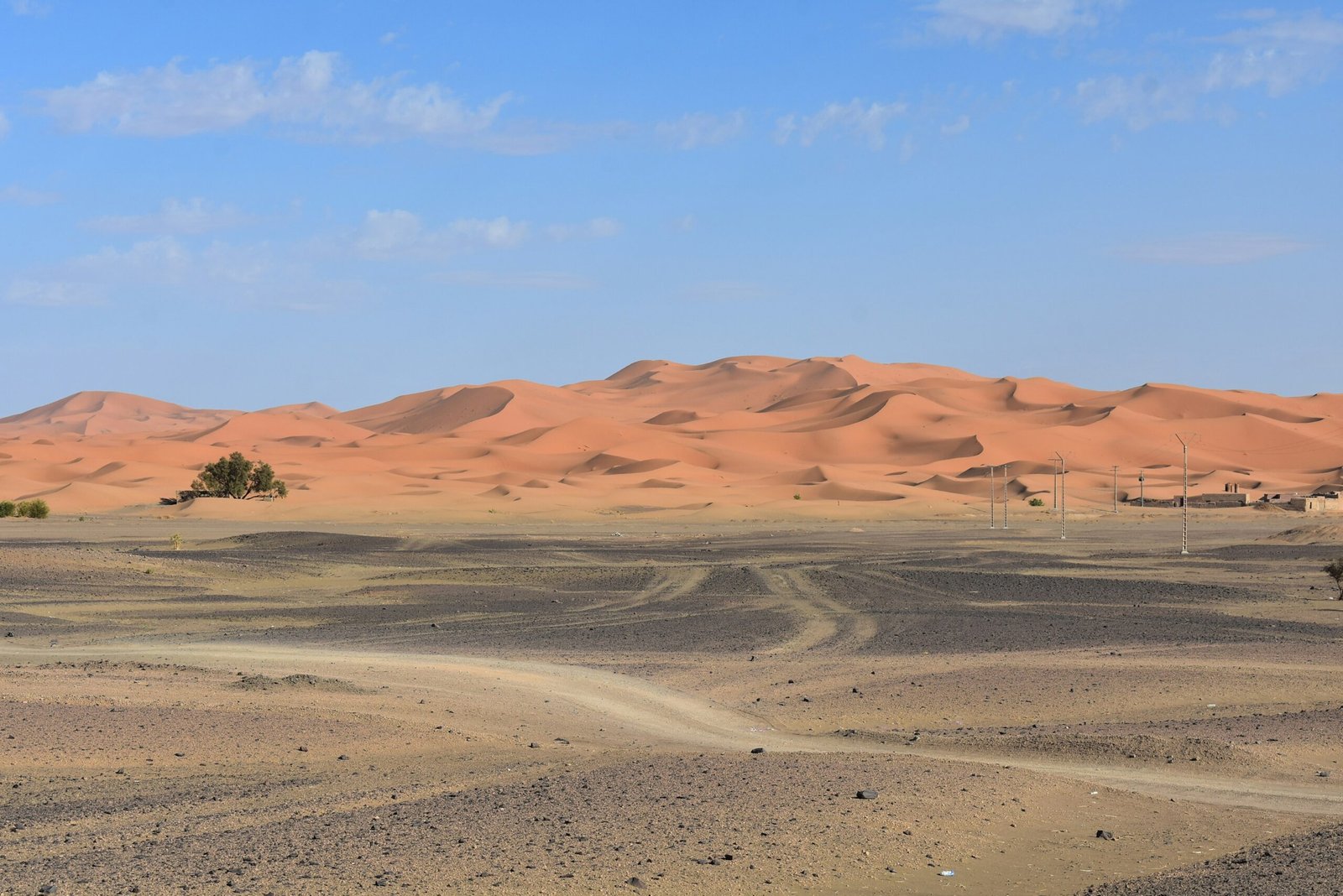
Morocco’s classic Sahara trips usually center on two dune regions: Merzouga (Erg Chebbi) in the east and M’Hamid (Erg Chigaga) in the south. Both deliver real dunes, sunrise walks, and nights in desert camps, but the vibe is different.

If you’re short on time, want more tour options, or prefer easier logistics, Merzouga often fits best. If you want fewer people, more silence, and don’t mind a longer, rougher approach, M’Hamid to Erg Chigaga can feel more “out there.”

One more thing: plenty of tours sell “desert experiences” that aren’t the Sahara. Agafay (near Marrakech) is rocky and scenic, great for a sunset dinner and a quick overnight, but it’s not sand dunes. Zagora is closer than Merzouga, but its dunes are smaller and many itineraries feel like a long drive for a short sand stop. If your dream is big rolling dunes, aim for Erg Chebbi or Erg Chigaga.

Merzouga (Erg Chebbi), the classic big dunes and easiest logistics

morocco desert tours

Merzouga is popular for a reason. Erg Chebbi has tall, postcard dunes that can look endless in the right light. Roads are straightforward, camps are plentiful, and you’ll find tours at almost every comfort level, from simple tents to private suites.

Typical drive times are long but predictable: often 9 to 10 hours from Marrakech with stops, and about 7 to 8 hours from Fes. Those stops matter because they break up the day and make the trip feel like a road movie instead of a commute.

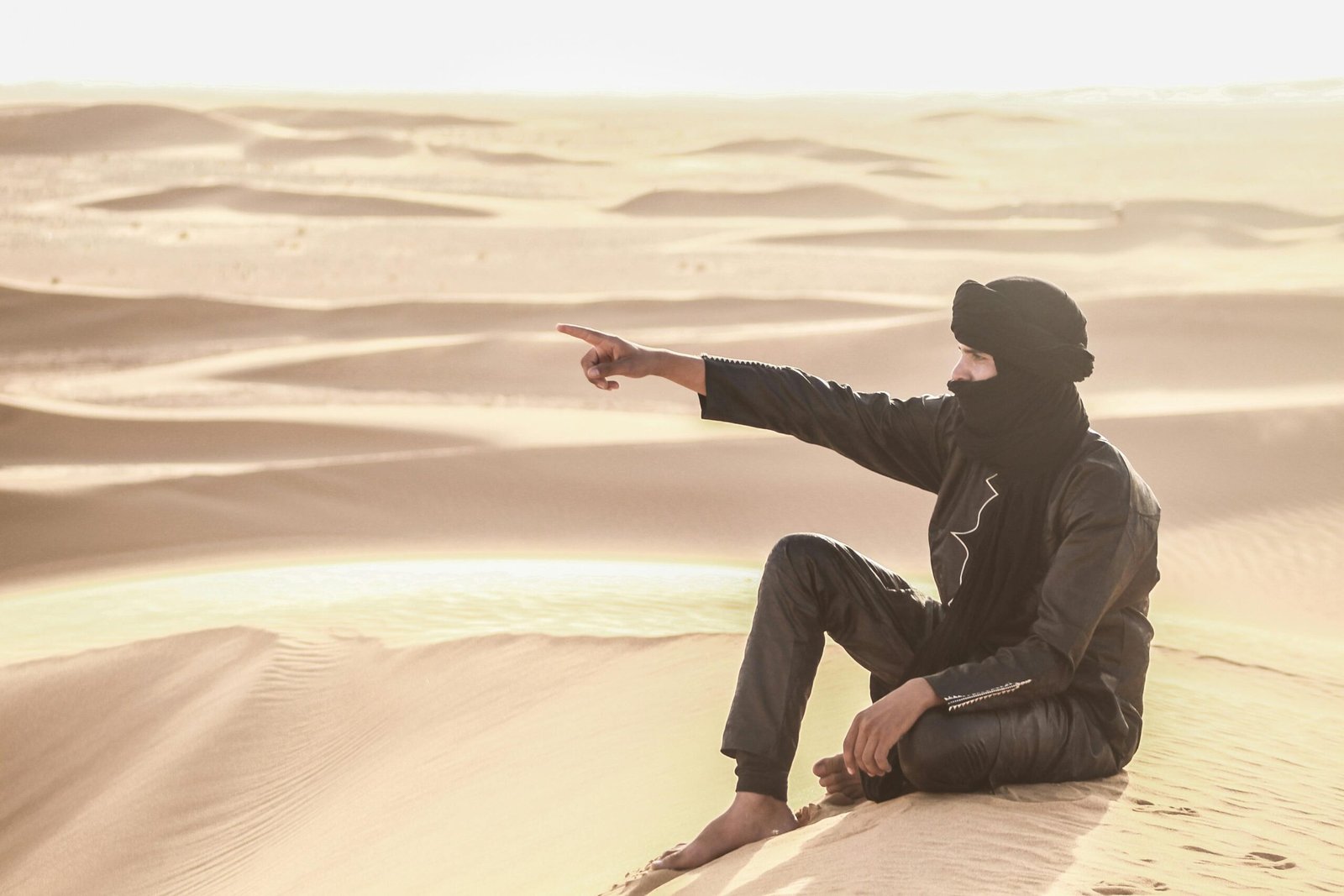
Once you arrive, the flow is usually simple: you switch to a camel ride or 4×4 transfer into the dunes, watch sunset, eat dinner, and catch sunrise before heading back. Many camps also offer sandboarding and short dune walks. 

Merzouga can feel busy in peak season, so your experience depends on the camp. A well-run camp feels calm even when the region is full. A cheap, crowded camp can feel like a noisy parking lot in the sand.

Morocco sahara desert travel

M’Hamid (Erg Chigaga), wilder, farther, and better for a quieter desert feel

visit sahara desert

M’Hamid is the last town before the desert track stretches deeper south and west. From there, reaching Erg Chigaga usually involves going via Zagora, then continuing by 4×4 over rougher terrain. The dunes can be massive, and the space between camps often feels wider. You notice the quiet more.

The tradeoff is time and comfort. The approach takes longer, and facilities are often more basic. That said, basic doesn’t have to mean miserable. It can mean fewer plug points, simpler bathrooms, and a more traditional rhythm to the evening.

Choose this route if you care more about a remote desert feel than a polished camp, and you’re okay with extra driving. 

morocco sahara desert travel

Plan your trip like a pro, best season, smart itinerary, and how to pick a good desert tour 

A great Sahara trip isn’t only about dunes. It’s about the timing, the pace, and the people running the tour. A rushed itinerary can turn the desert into a quick photo stop. A well-planned one makes the drives feel worth it.

If you’re traveling in February 2026, expect pleasant daytime temperatures on many days, but cold nights in the desert. That mix surprises people. You might be in a T-shirt at lunch, then wearing every layer you packed after dinner.

Best time to visit the Sahara in Morocco (and what the weather really feels like)

Spring (March to May) and fall (September to November) are the easiest seasons for most travelers. Days are warm, nights are cool, and the sun is strong without being punishing.

Summer (June to August) can be extreme, especially for midday heat. Tours still run, but long drives plus high temperatures can wear you down fast.

Winter (December to February) often has bright, comfortable days, but nights can drop sharply. Bring layers, a warm hat, and gloves. Wind also matters. A breezy day can kick up sand that irritates eyes, dries out lips, and sneaks into camera gear and contact lenses. For another seasonal rundown, this post Sahara Morocco travel lines up with what most travelers experience on the ground.

How many days you need, and a realistic sample plan from Marrakech or Fes

Three days is the common “standard,” and it works, but it’s tight. Think of it like reading a book by only skimming the first and last chapter.

A realistic 3-day plan often looks like this:

  • Day 1: Long drive with a few major stops, arrive near the dunes, transfer to camp for sunset.
  • Day 2: Sunrise, breakfast, then travel back with scenic breaks.
  • Day 3: Final drive leg to your starting city (if your tour splits the return), or this is folded into Day 2 on faster itineraries.

Four days feels less rushed because you can reduce time in the van and add a slower morning in the dunes. Popular stops can include Aït Benhaddou, Dades Valley, Todra Gorge, and the Ziz Valley. The key is choosing fewer stops, not more. If every hour is scheduled, the desert becomes a backdrop, not the point.

How to choose a Sahara desert tour and camp you will not regret

Most Sahara disappointments come from vague promises. Before you pay, get specifics.

Here’s a short checklist that saves a lot of stress:

  • Group size and transport: A minivan is social and affordable, a 4×4 can be faster and more flexible.
  • Camp type: “Standard” and “luxury” vary a lot, ask what you get, not what it’s called.
  • Sleeping setup: Confirm private tent vs shared, and whether bathrooms are private, shared, or outside.
  • Location: Ask if the camp is on the dunes or on the rocky edge with a dune view.
  • Night vibe: Confirm quiet hours, music plans, and whether generators run late.
  • Costs and inclusions: Ask about water, snacks, entrance fees, tips, and optional quad biking.
  • Camel rides: If you’ll ride, choose operators that handle animals calmly and don’t push them hard.

Red flags are easy to spot: a price that seems impossible, no camp name, a rushed itinerary, or pressure to shop at specific places. If you’re traveling with kids or want a sense of the dune experience before you commit, these photos and notes on Morocco Itinerary Days show what the terrain looks like in real life.

Pack, stay safe, and travel respectfully in the desert

Desert travel rewards people who pack smart. The Sahara is simple, but it’s not forgiving if you’re unprepared. Sun and cold both hit harder when there’s nothing to block them.

The Sahara packing list that actually matters (and what to skip)

You don’t need special gear, you need the right basics:

  • Layers: Light shirt for day, warm fleece for night, plus a wind layer.
  • Closed shoes: Sand finds every gap, sneakers or light boots help.
  • Sun protection: Sunglasses, sunscreen, lip balm.
  • Scarf or buff: For wind, dust, and warmth at night.
  • Headlamp: Camps can be dark between tents.
  • Power bank: Outlets can be limited.
  • Small first-aid: Blister care, pain relief, bandages.
  • Motion sickness support: Useful on mountain roads and long drives.
  • Warm sleep layer: In winter, a thermal top can change your night.
  • Cash: Tips, small drinks, and roadside snacks.
  • Dry bag or zip pouches: Keeps sand away from electronics.

Skip heavy jeans, too many outfits, and anything you’ll worry about getting dusty.

Safety, comfort, and cultural basics, camps, cash, photos, and expectations

Hydrate early, not only when you feel thirsty. Protect your skin, then protect yourself from the cold after sunset. If sand gets in your eyes, don’t rub, rinse with clean water or saline if you carry it.

Camps vary. Some have limited electricity windows and weak Wi-Fi, and hot showers aren’t guaranteed. Set expectations before you arrive so you don’t feel misled. Keep some small bills for tips and small purchases, ATMs are not everywhere once you’re far from towns.

Respect goes a long way in desert communities. Ask before photographing people, dress modestly in towns, and tip fairly if someone carries bags or serves meals. Don’t buy wildlife products, and pack out trash, even small things like wet wipes and bottle caps. Water is precious here, treat it that way.

Conclusion

A Morocco Sahara desert travel plan comes down to a few smart choices. Pick Merzouga (Erg Chebbi) for classic dunes and easier logistics, or M’Hamid (Erg Chigaga) for a quieter, more remote feel. Choose a season that matches your heat tolerance, set aside enough days to avoid a rushed drive, and vet your tour and camp with real questions. Pack for hot sun and cold nights, then travel with respect for local communities and a light footprint. Save the checklists, choose your dates first, then compare tours with clear inclusions so your Sahara night feels like the real thing.

Leave a Reply

Proceed Booking